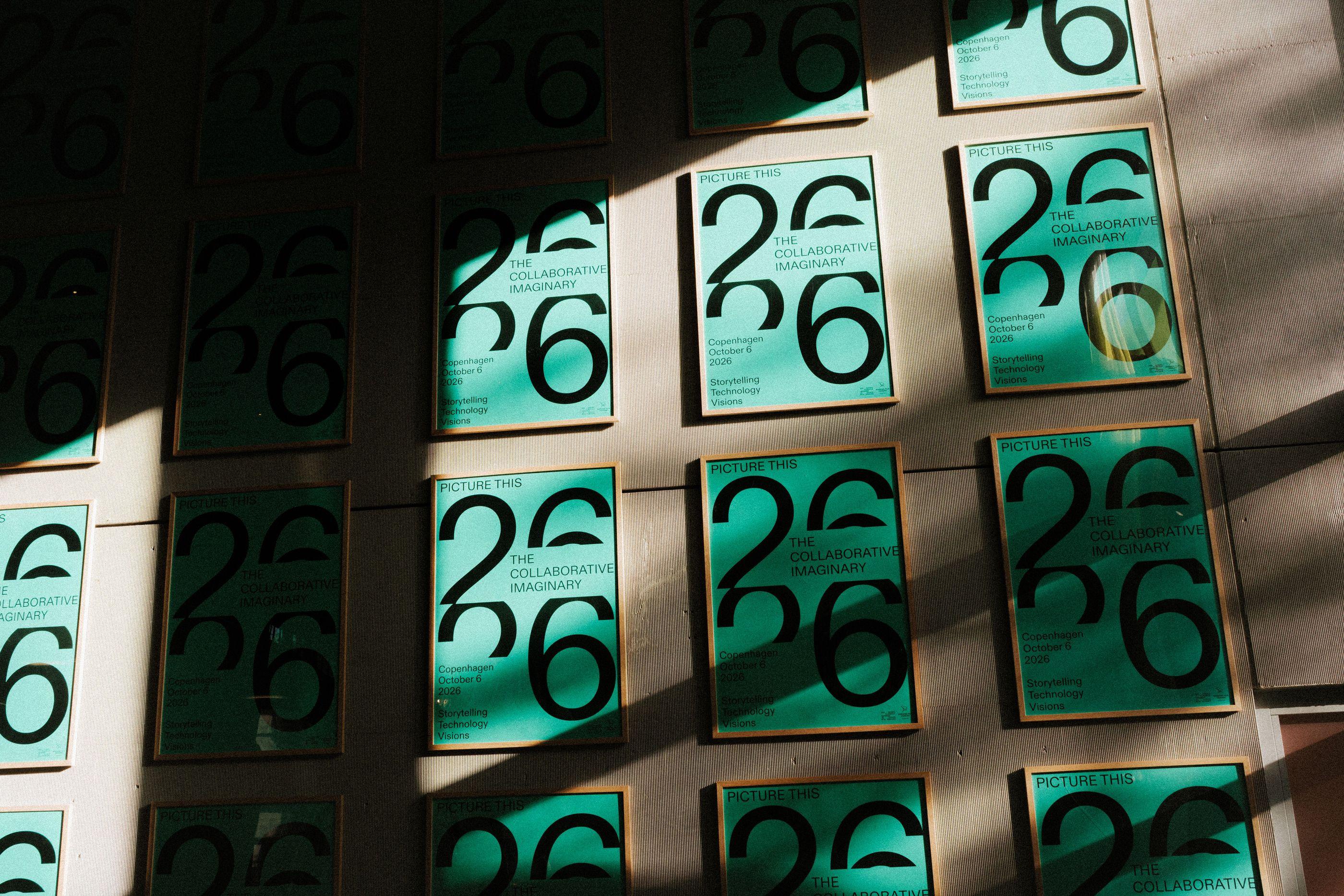
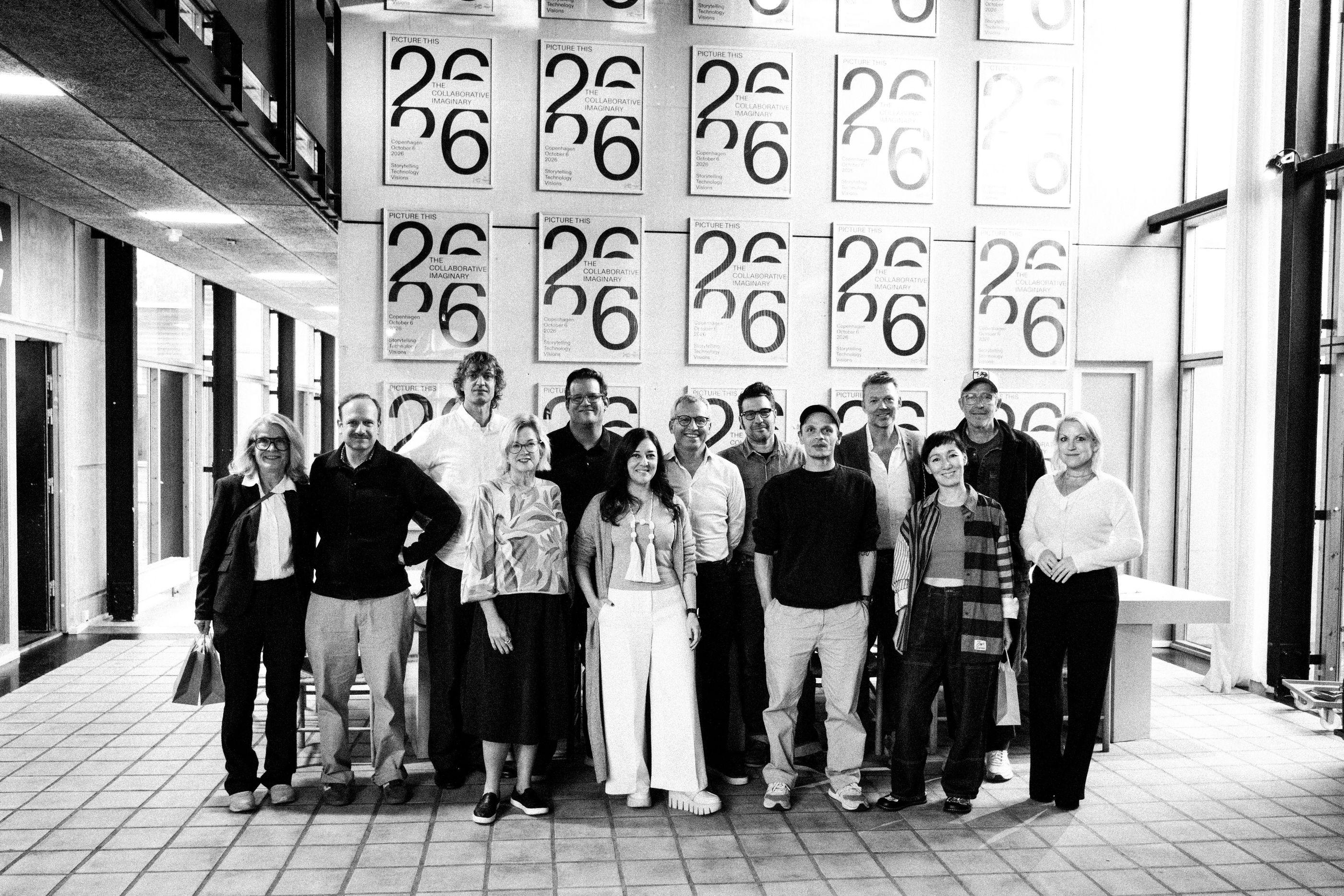
PICTURE THIS 26: The Collaborative Imaginary
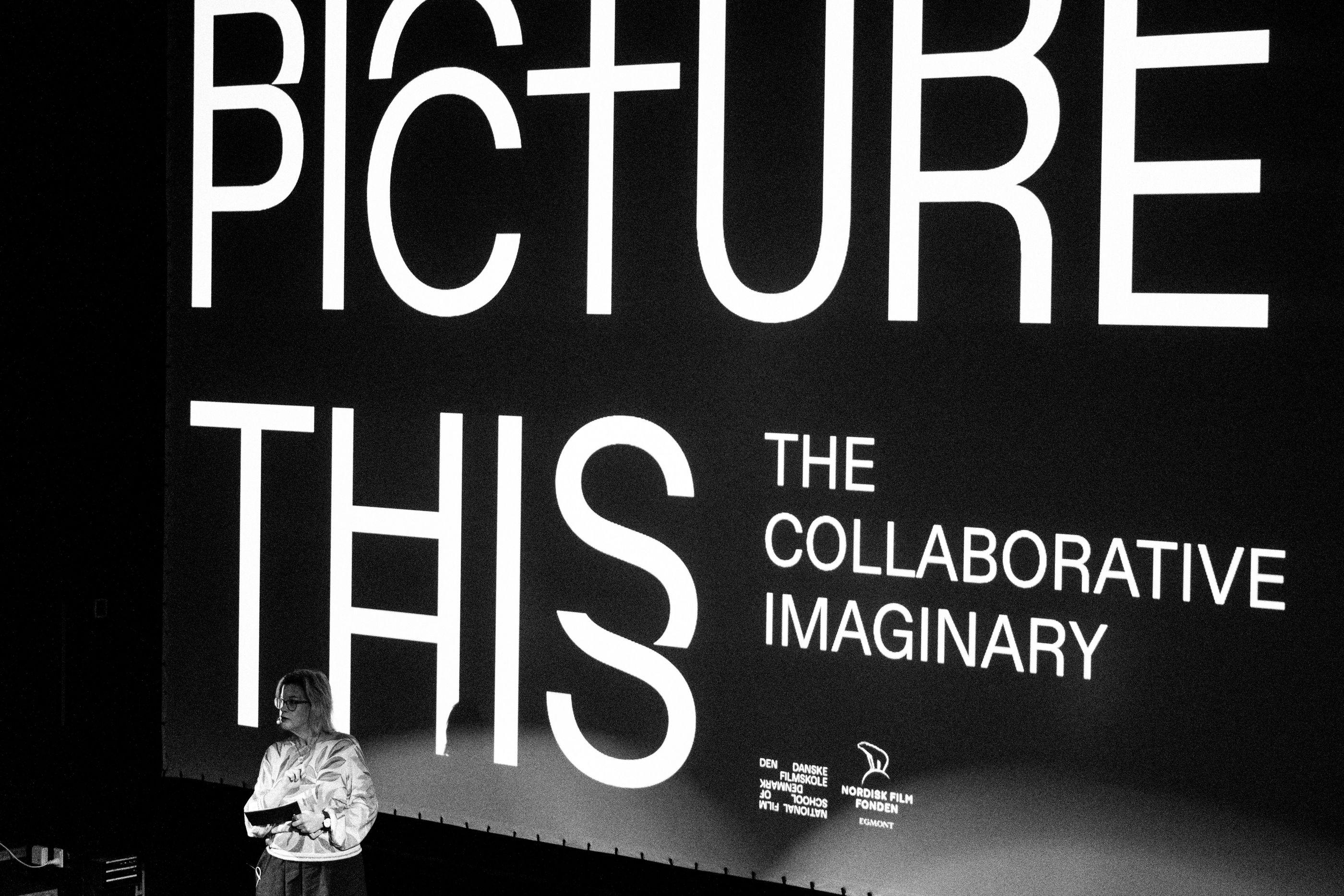
PICTURE THIS 26 gathered filmmakers, artists and industry actors at the National Film School of Denmark. Under the titel The Collaborative Imaginary we explored what happens when technology is no longer a tool but is an integrated part of creative collaboration.
How does the integration of AI, virtual production, and other new technologies into the creative process affect film production?
That question was the focal point when PICTURE THIS 26 brought together filmmakers, artists, producers, technologists, and other industry professionals at the National Film School of Denmark on Tuesday for a day-long event on the future of film production.
Under the heading “The Collaborative Imaginary,” this year’s conference focused on a rapidly changing film industry. Film production has always been a collaborative discipline, but recent technological advances are changing the composition of film crews, their tools, and their creative processes.
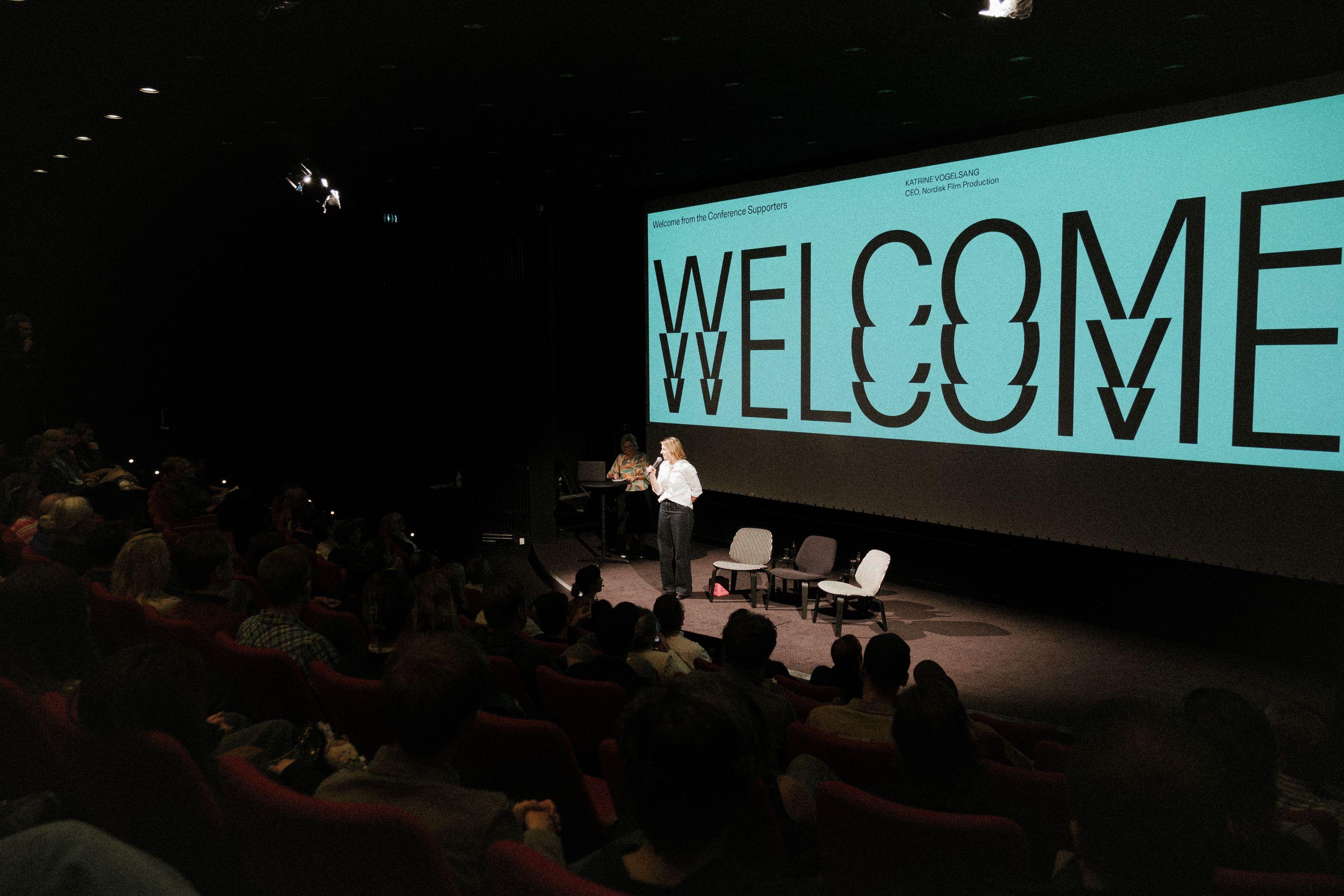
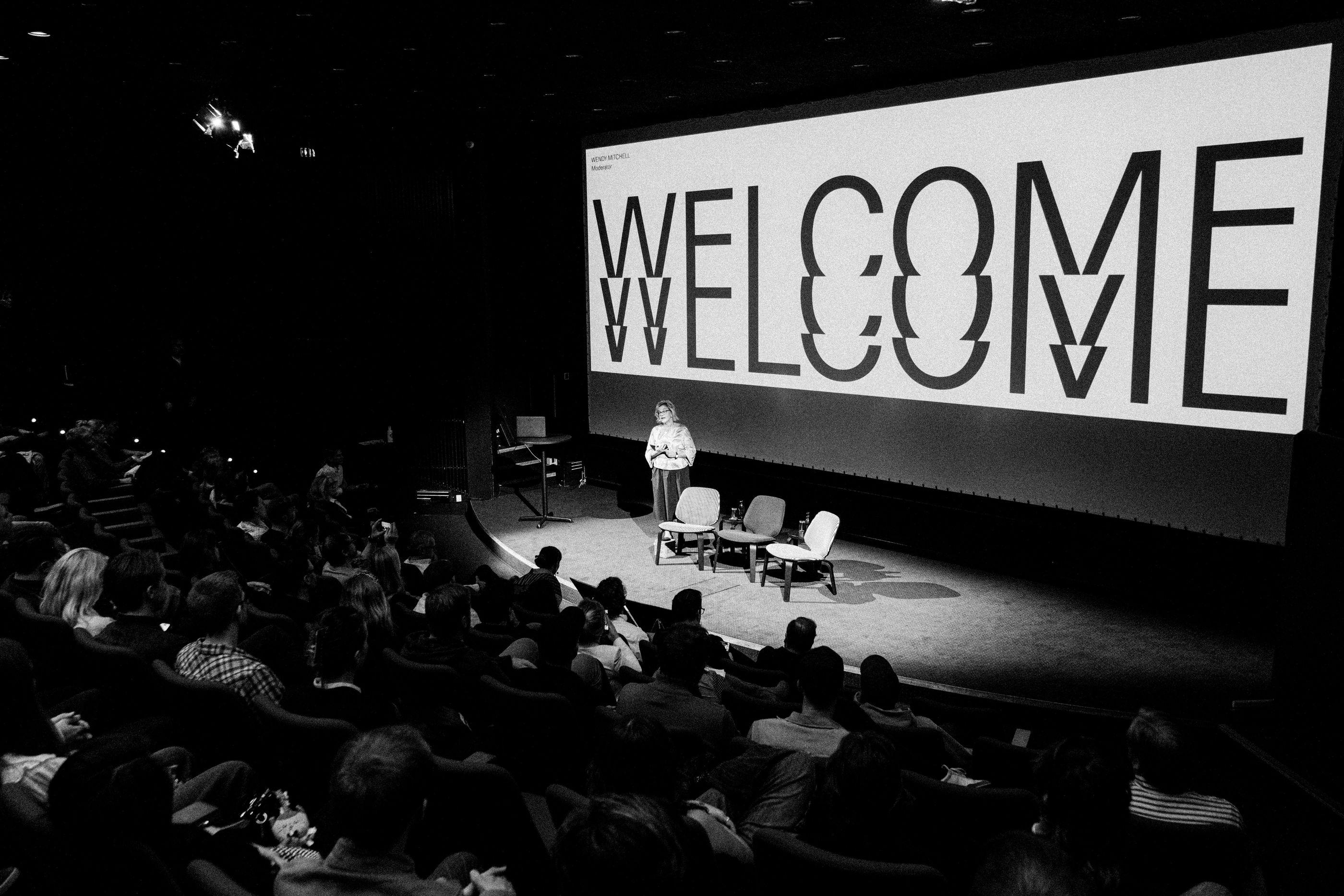
AI is making its way into more parts of the value chain.
This does not mean that human creativity is on the verge of being replaced, but it does make AI a new kind of collaborator and advisor, while virtual production and new technological workflows are breaking down the traditional boundaries between professional disciplines.
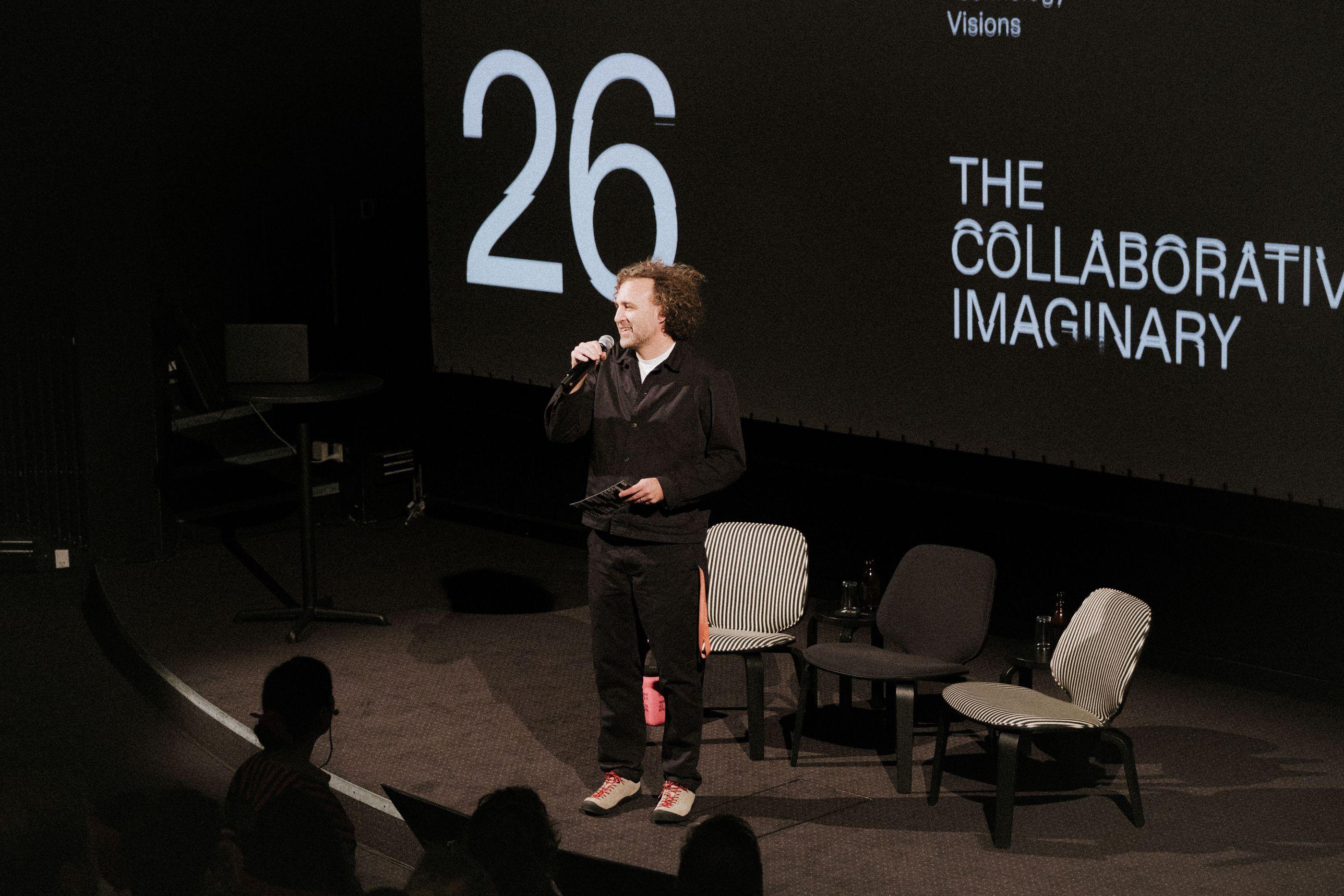
It was precisely these shifts that Picture This 26 explored through a series of conversations, case studies, and presentations.
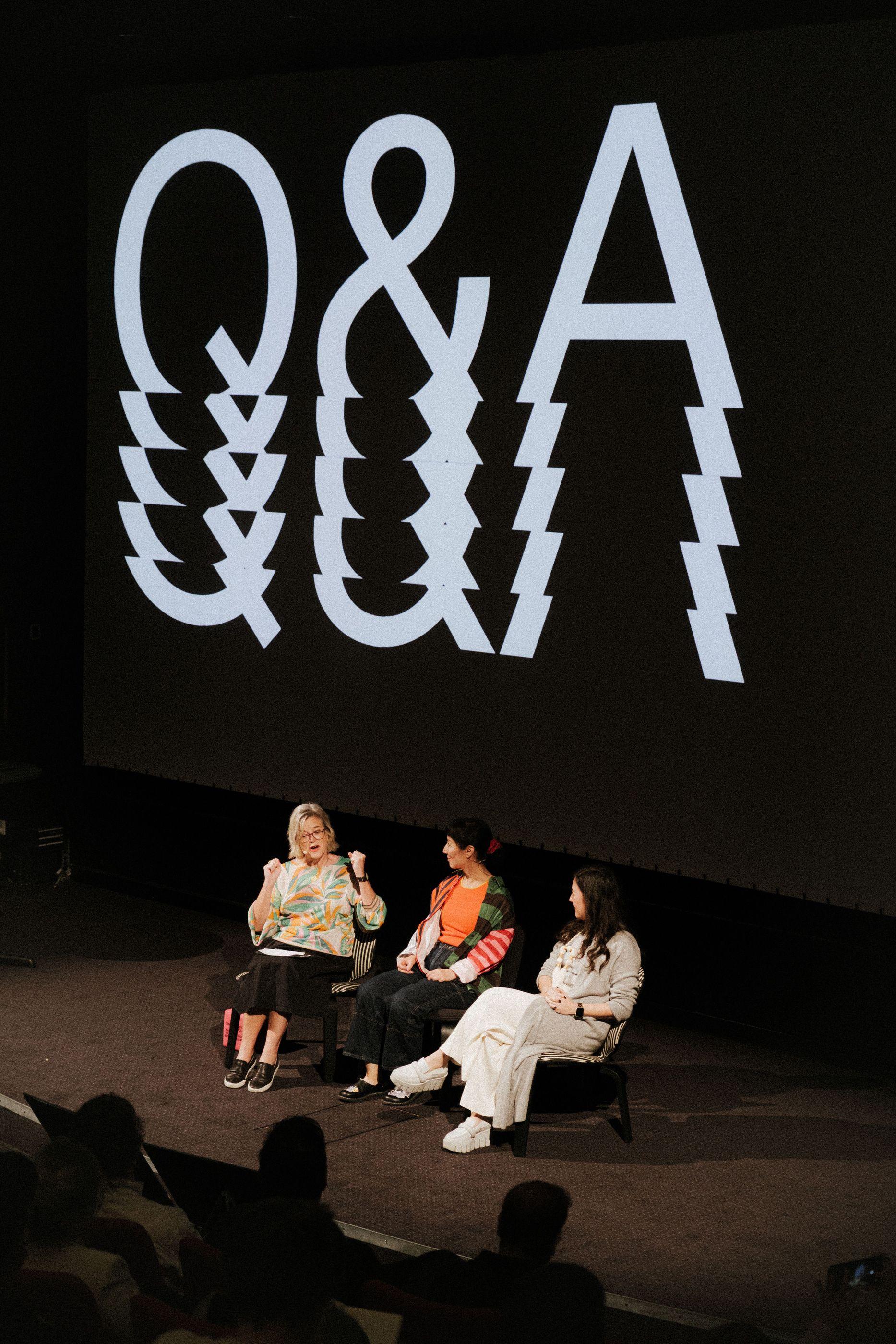
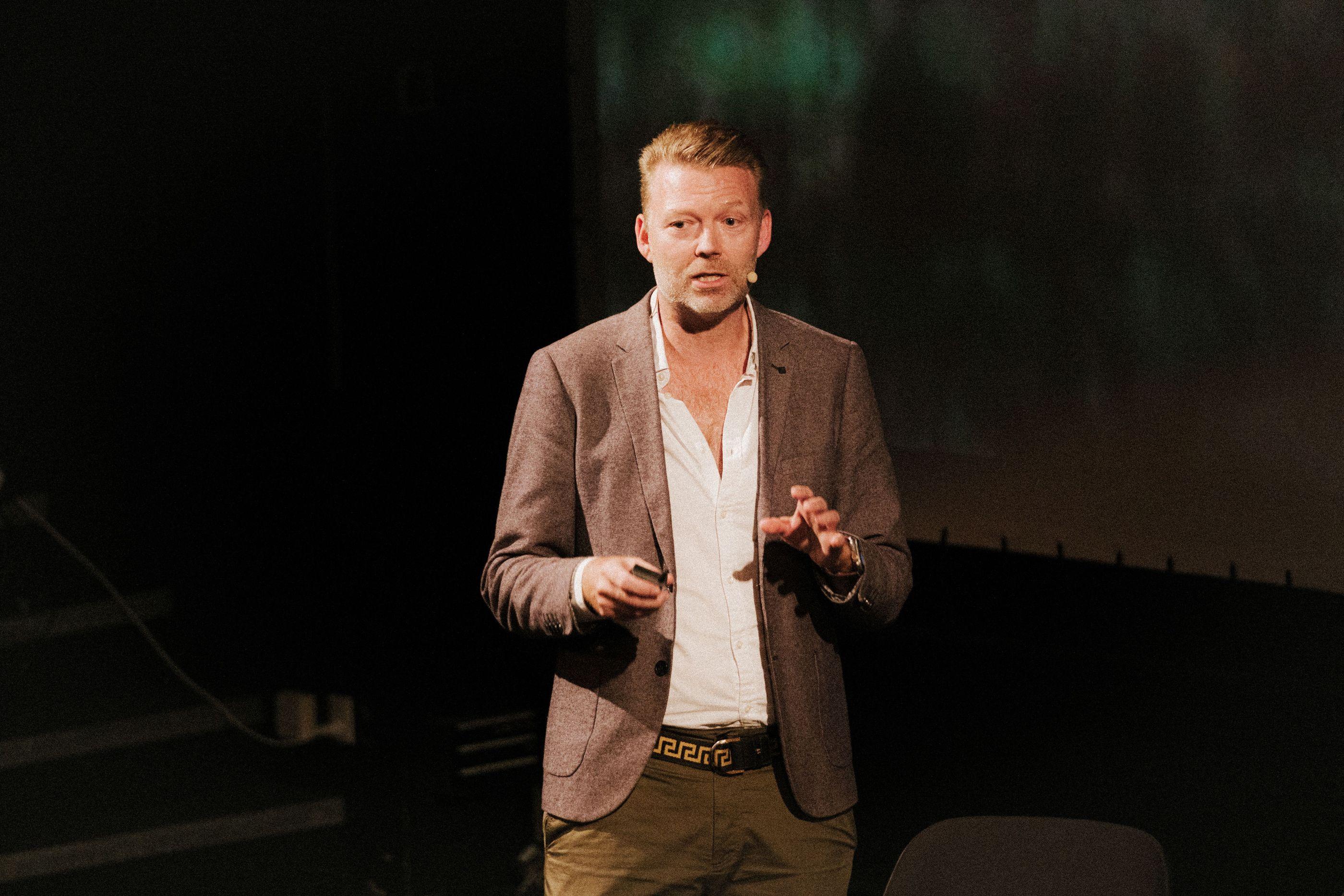
The day began, among other things, with a conversation between Eve Bolotova, VP Lead at Aardman Animations, and Rebeca Cervantes, Senior Post-Production Executive at Amazon MGM Studios, about new forms of collaboration in film production. Afterward, producer Sarah Ivy delved into Entertainment Technology Center’s work on The Bends and the question of what collaborating with AI means for the entire film crew.
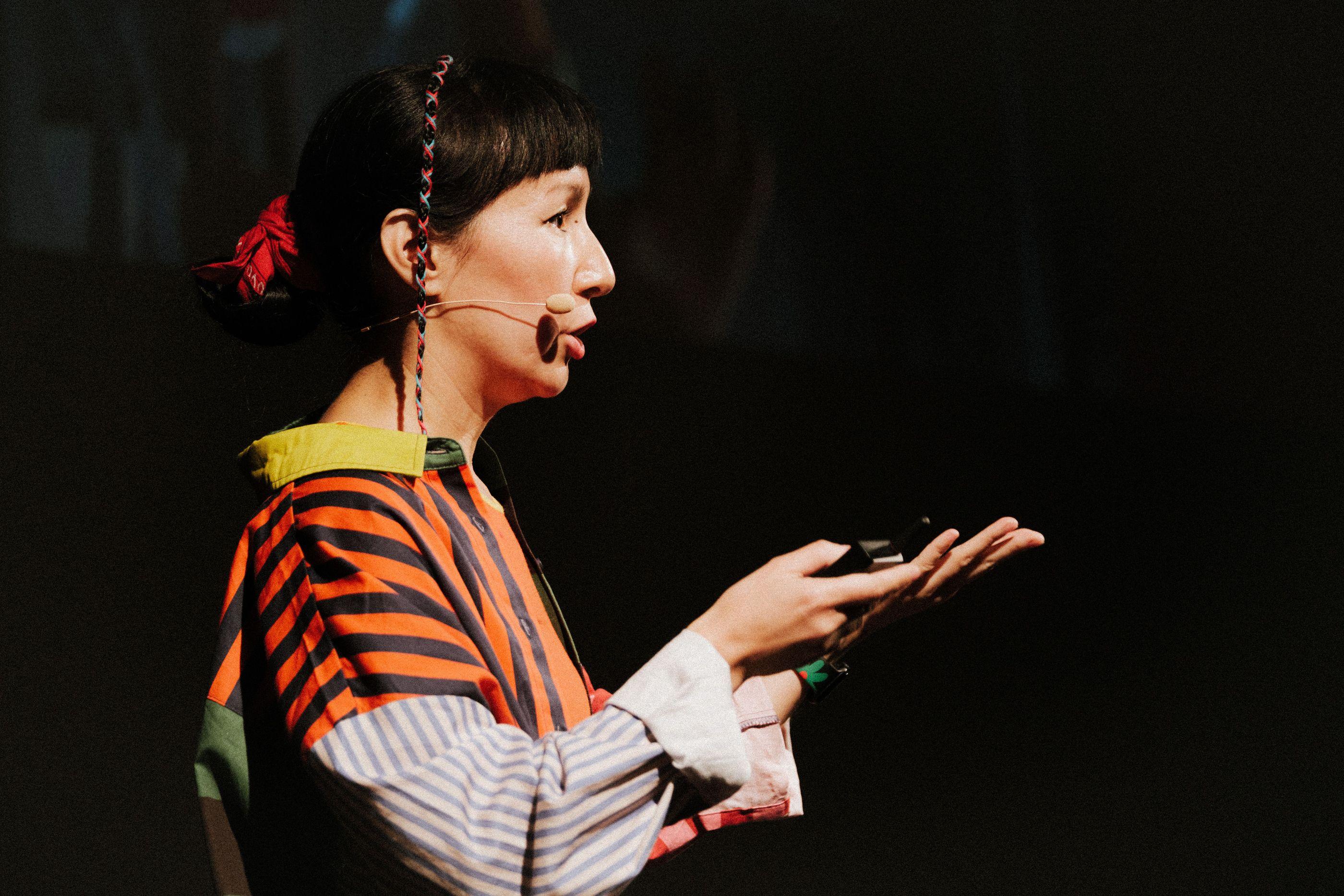
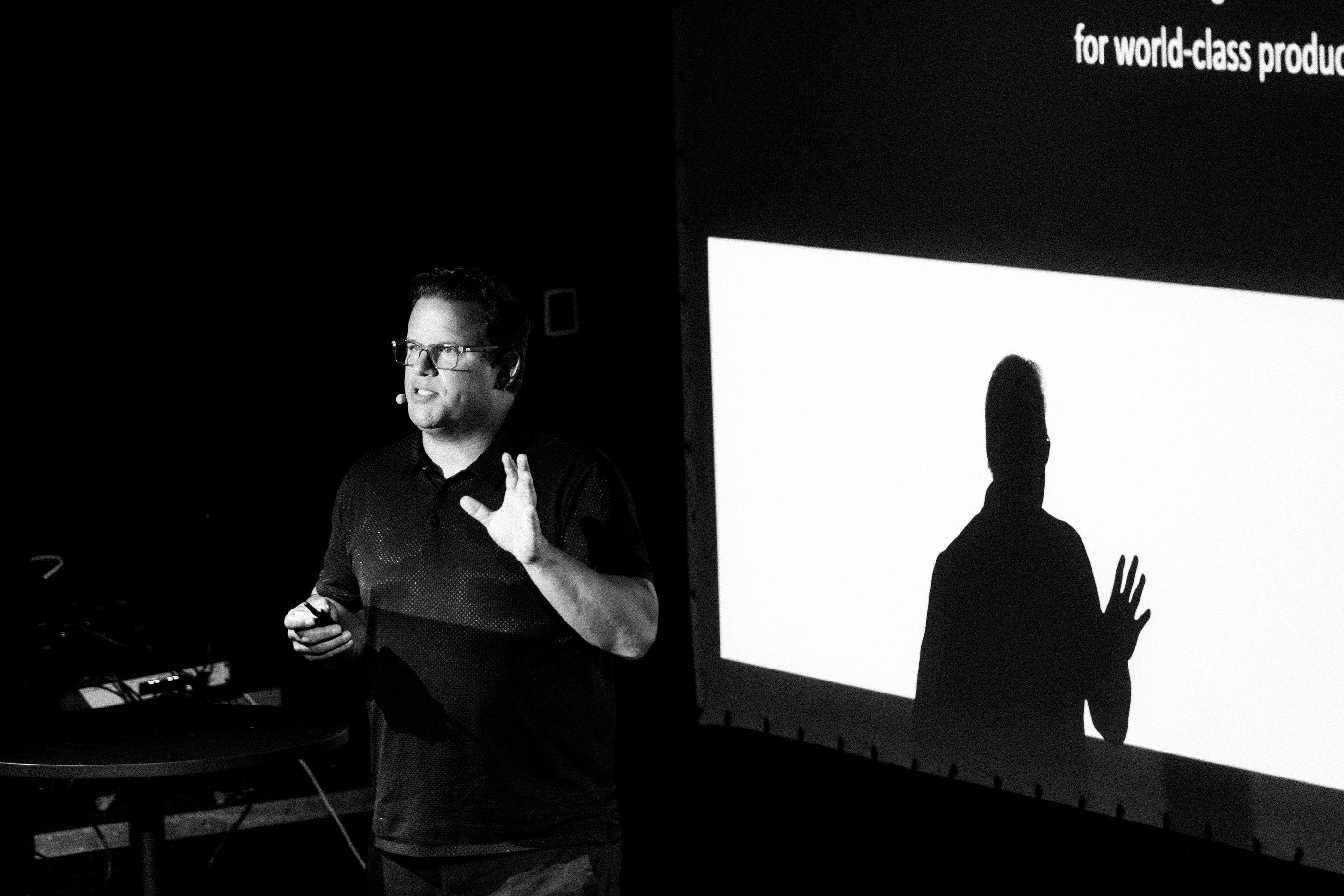
Later in the day, the focus shifted to virtual production and new forms of production, as Brian Nitzkin from Orbital Studios presented the possibilities of a more mobile and flexible virtual production pipeline.
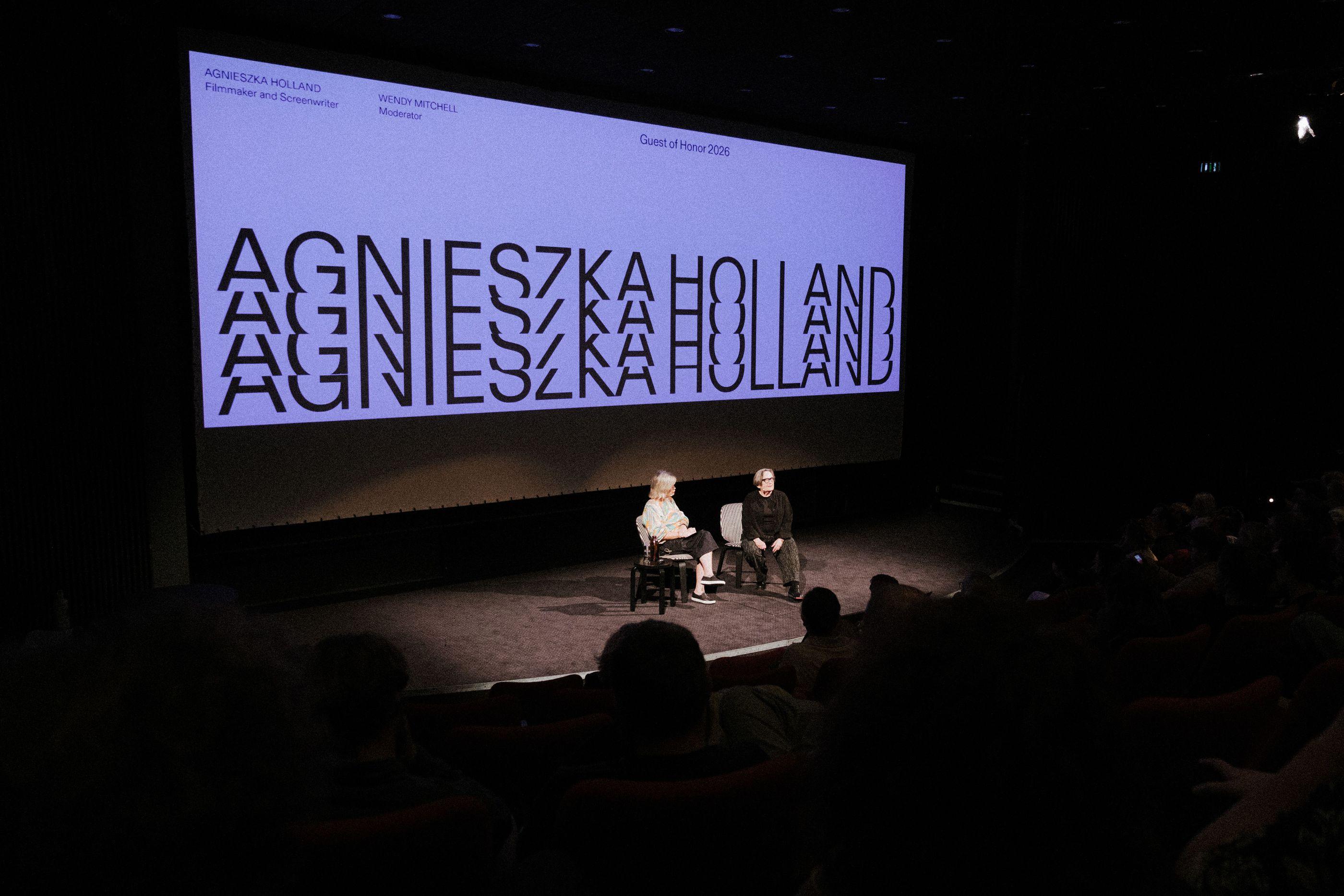
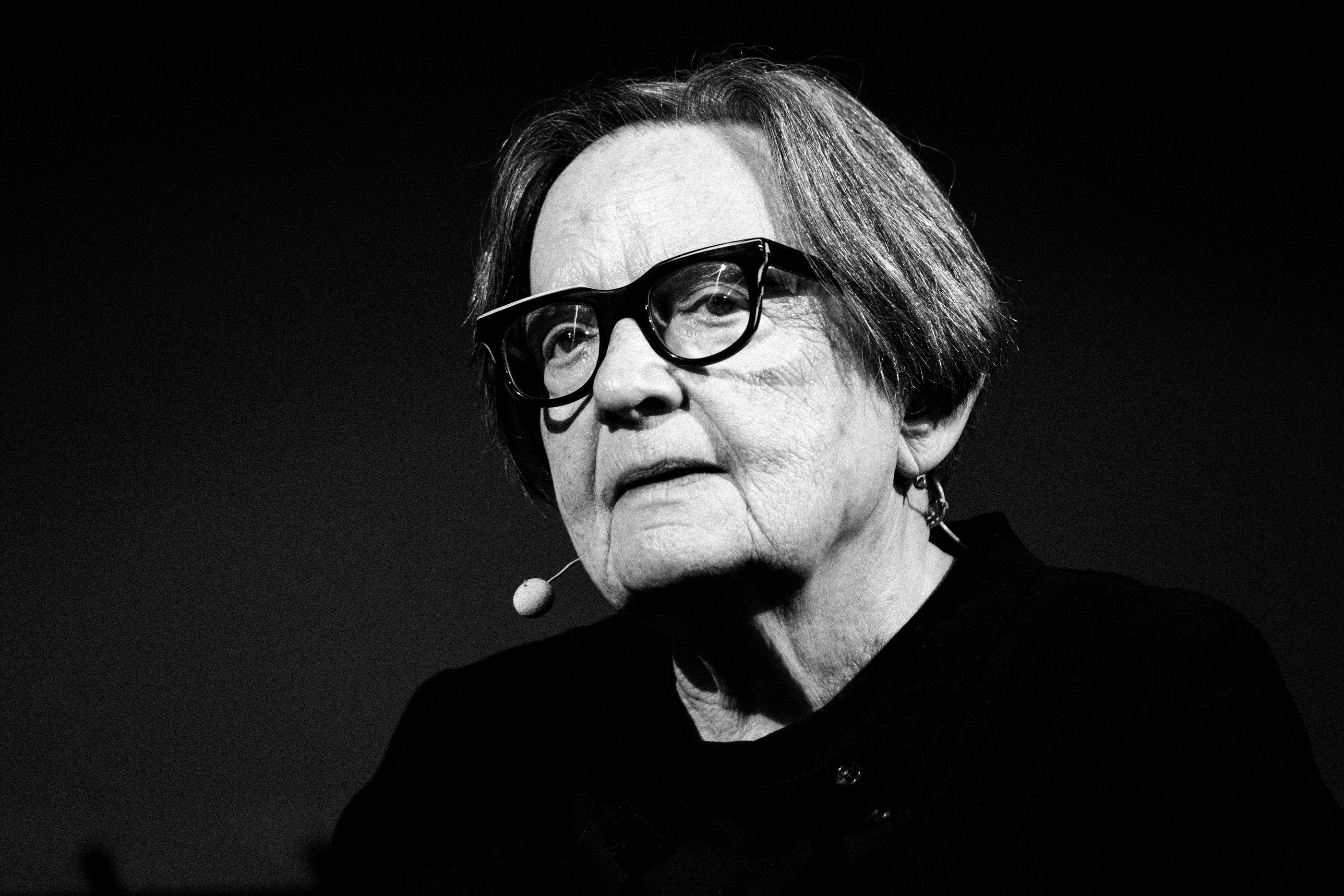
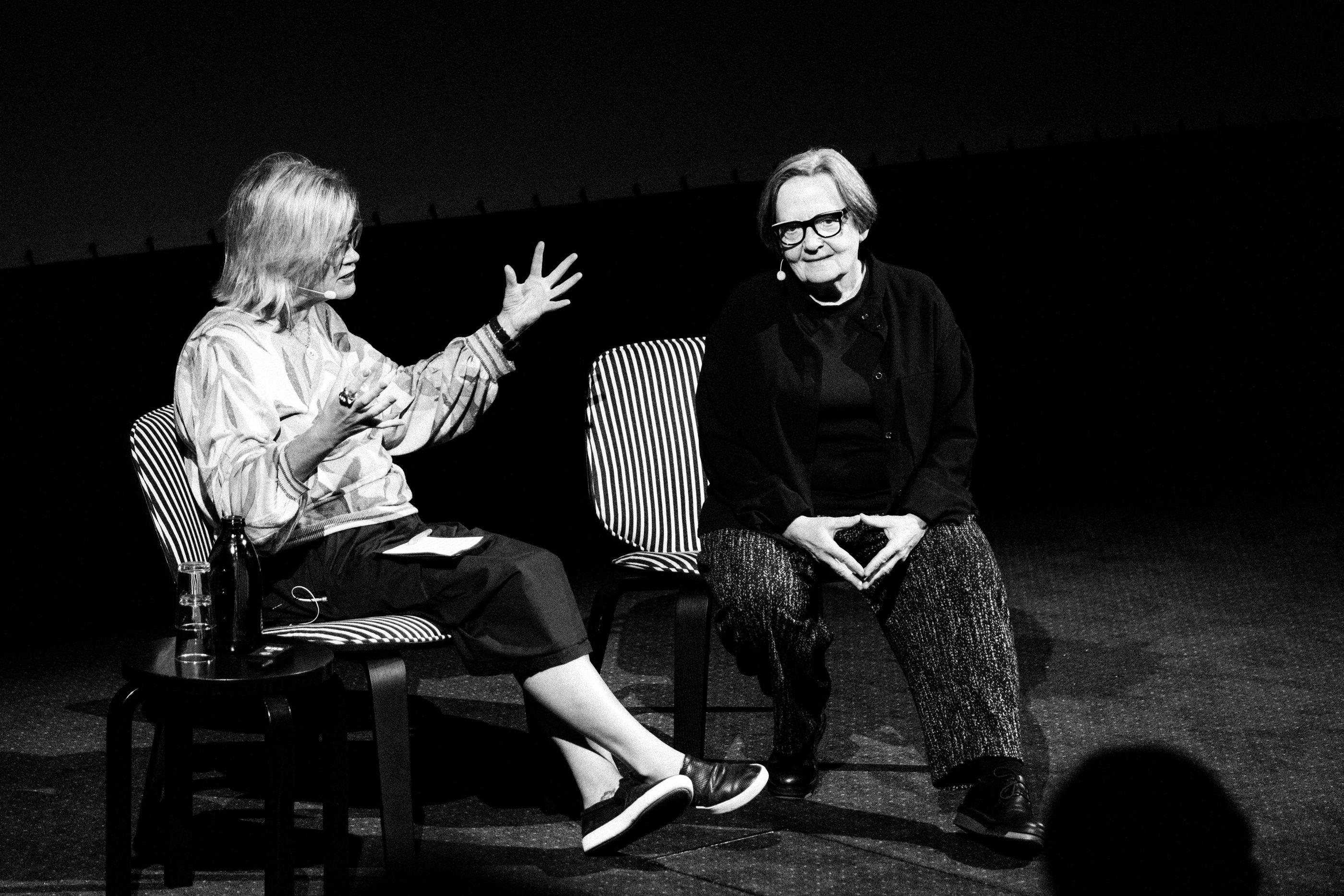
One of the highlights of the day was this year’s Guest of Honor, the Polish master director and screenwriter Agnieszka Holland.
Drawing on her own long career, she spoke about the intersection of artistic vision and technological development, and about navigating an industry where the rules are constantly changing.
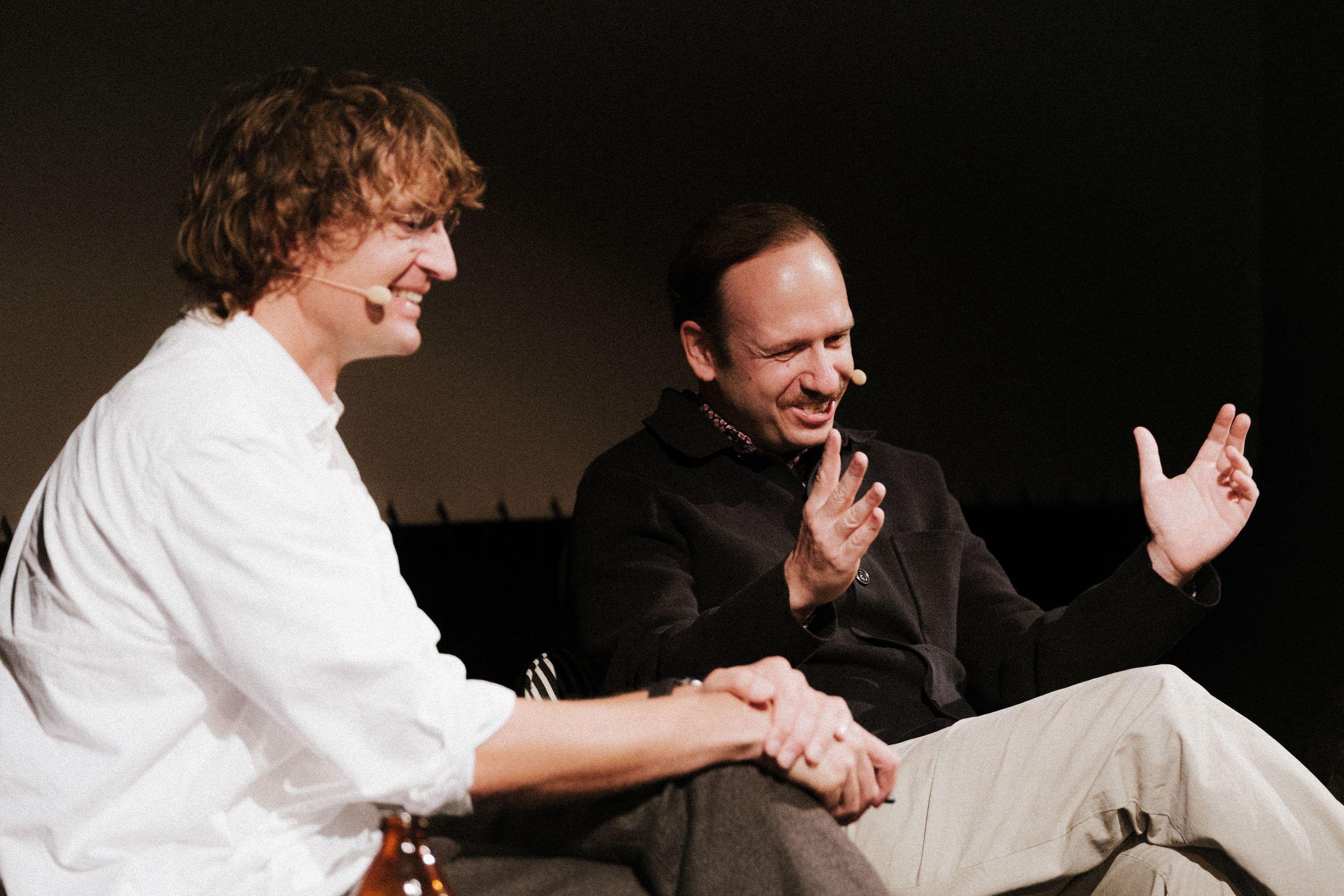
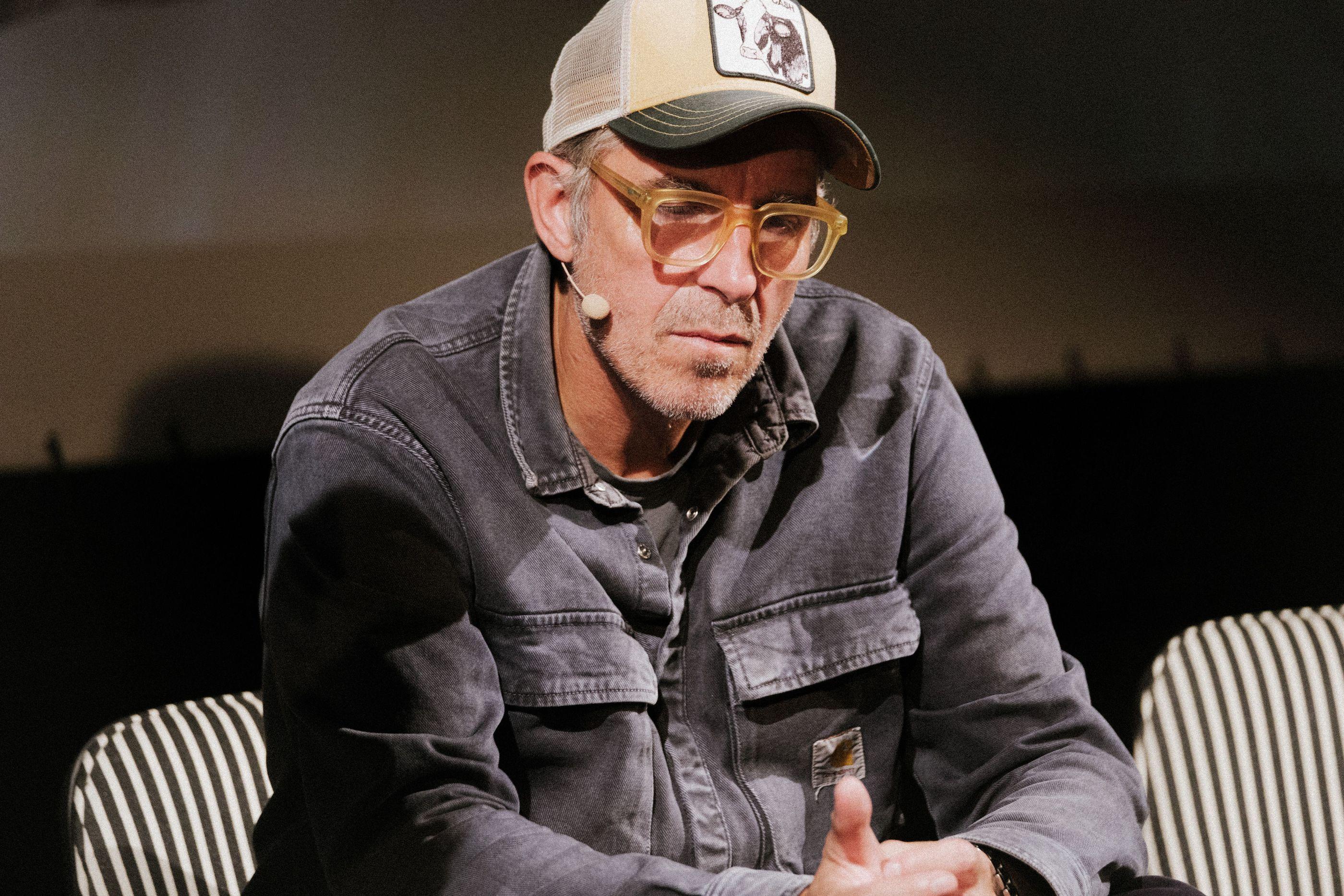
The day’s program continued with a conversation between Austrian filmmaker, producer, and visual artist Georg Tiller and director Rasmus Kloster Bro about the relationship between directing and new technologies: Is technology a supplement, an antagonist, or a true collaborator?
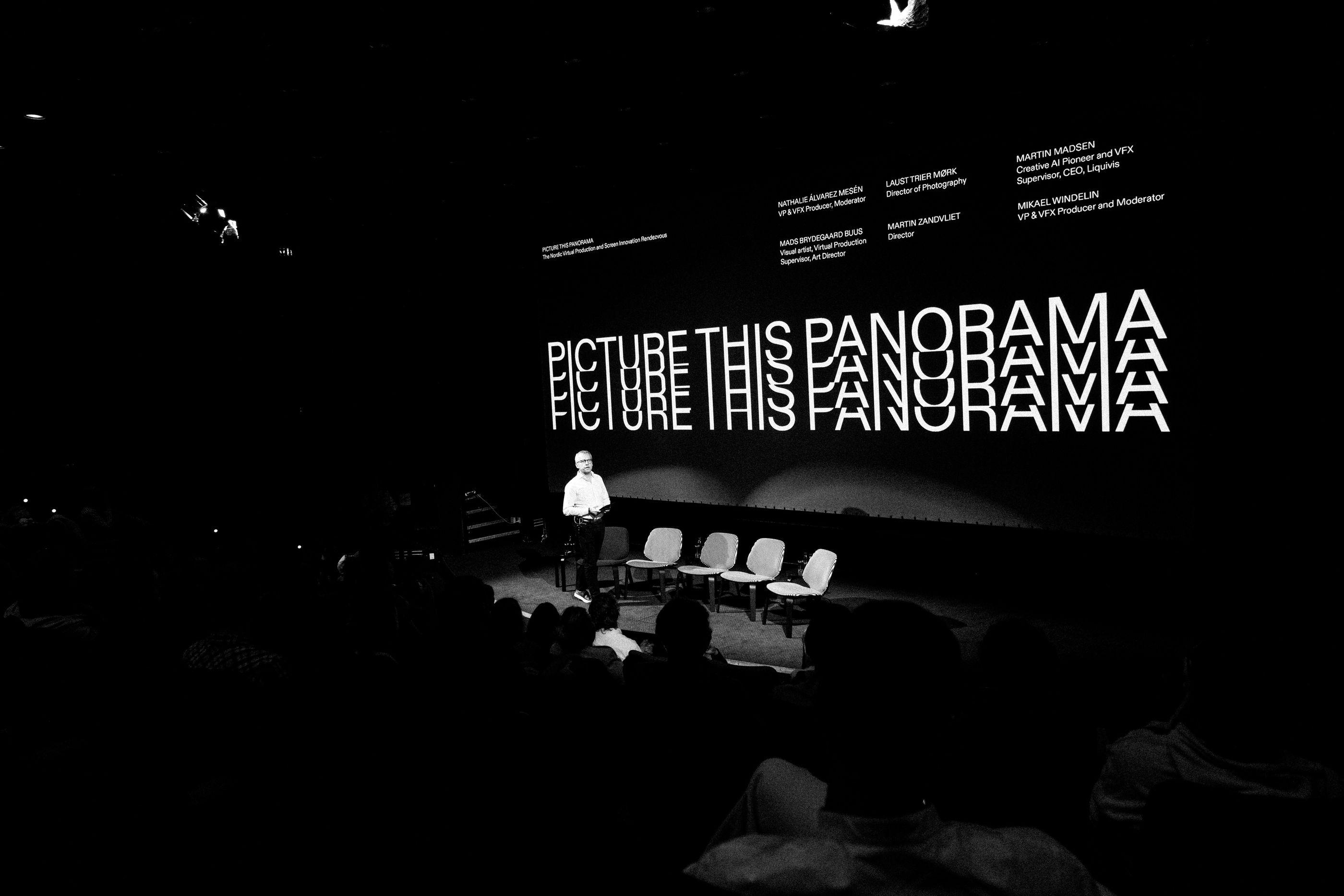
The day concluded with Picture This Panorama, where Martin Madsen, Nathalie Álvarez Mesén, and Mads Brydegaard Buus, together with moderator Mikael Windelin and Martin Zandvliet, focused on Nordic developments in virtual production and screen innovation.
A Natural Setting for the Conversation
It is no coincidence that the conference was held once again this year at the Danish Film School.
As an educational institution, the Film School must both train artists for the existing reality of film and serve as a place where new artistic and technological possibilities can be explored.
Therefore, the intersection of film art, technology, and the industry is a natural part of the school’s educational activities.
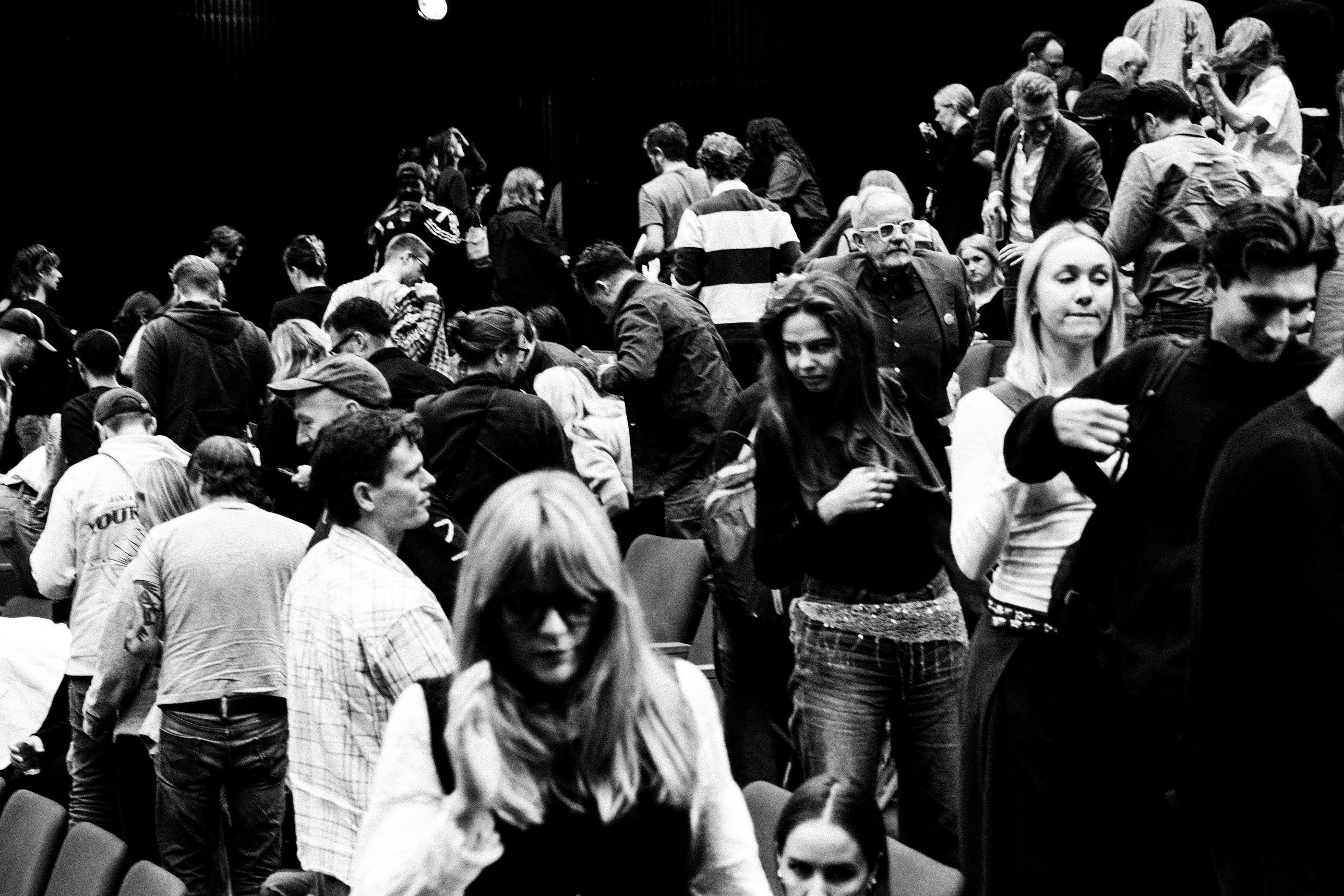
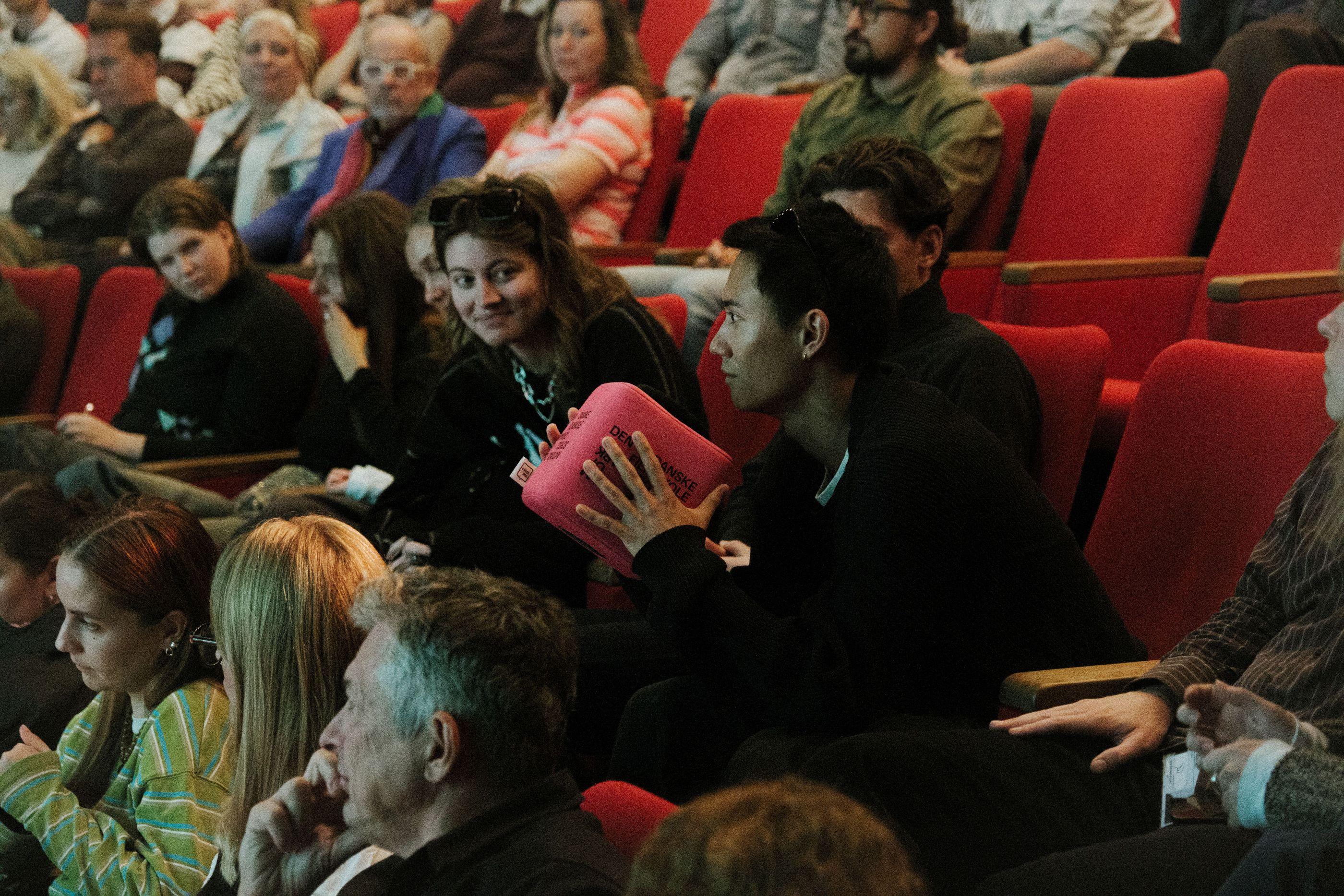
PICTURE THIS was created as a place where experiences can be shared across disciplines, and where members of the film industry can explore technological changes together rather than separately.
Thank you to all the speakers, moderators, participants, partners, and sponsors who helped make PICTURE THIS 26 a day filled with new perspectives on how we make films—and how we can continue to make film together in the future.