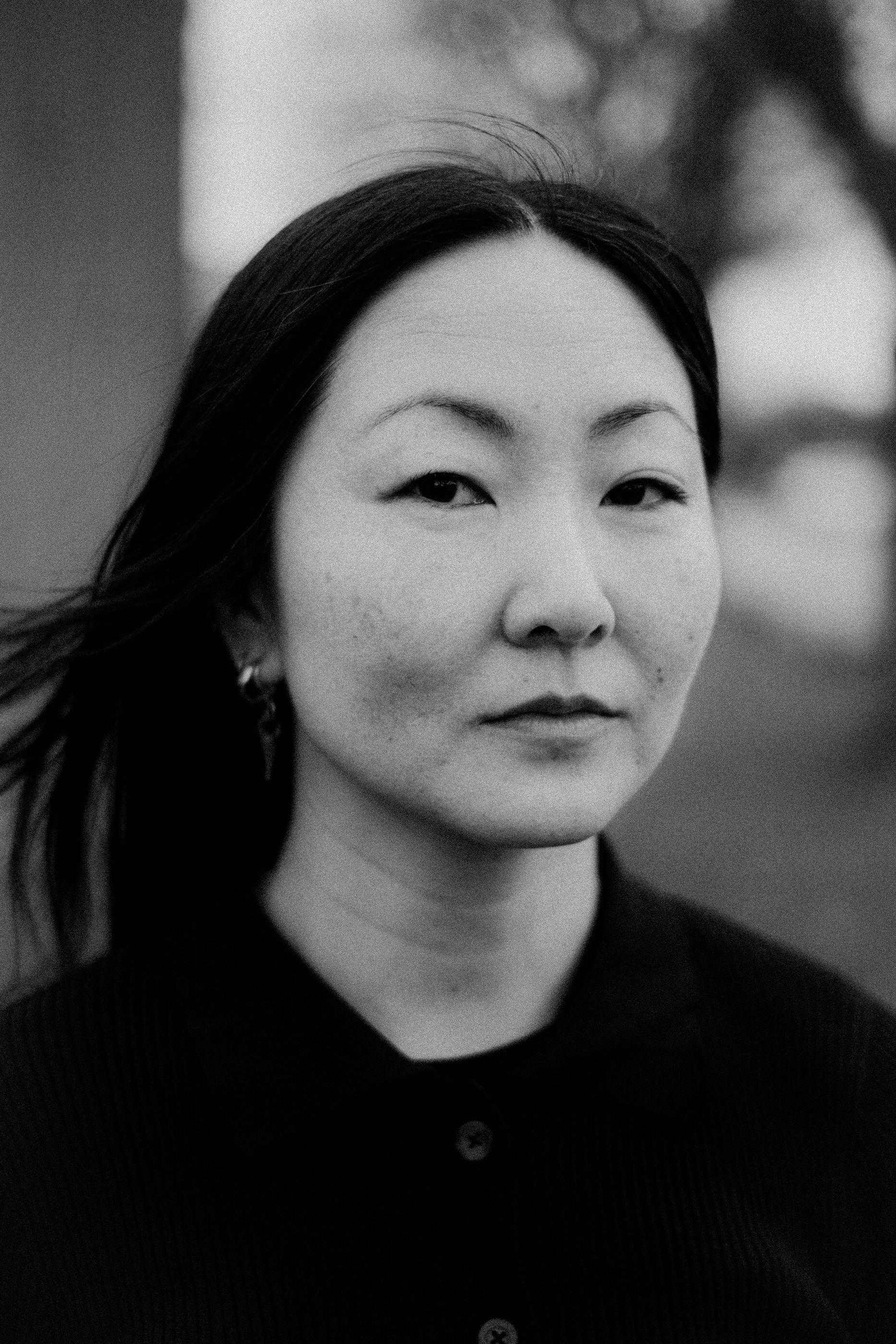
"The fact that we talk about our experiences as filmmakers doesn’t necessarily ruin the artform"
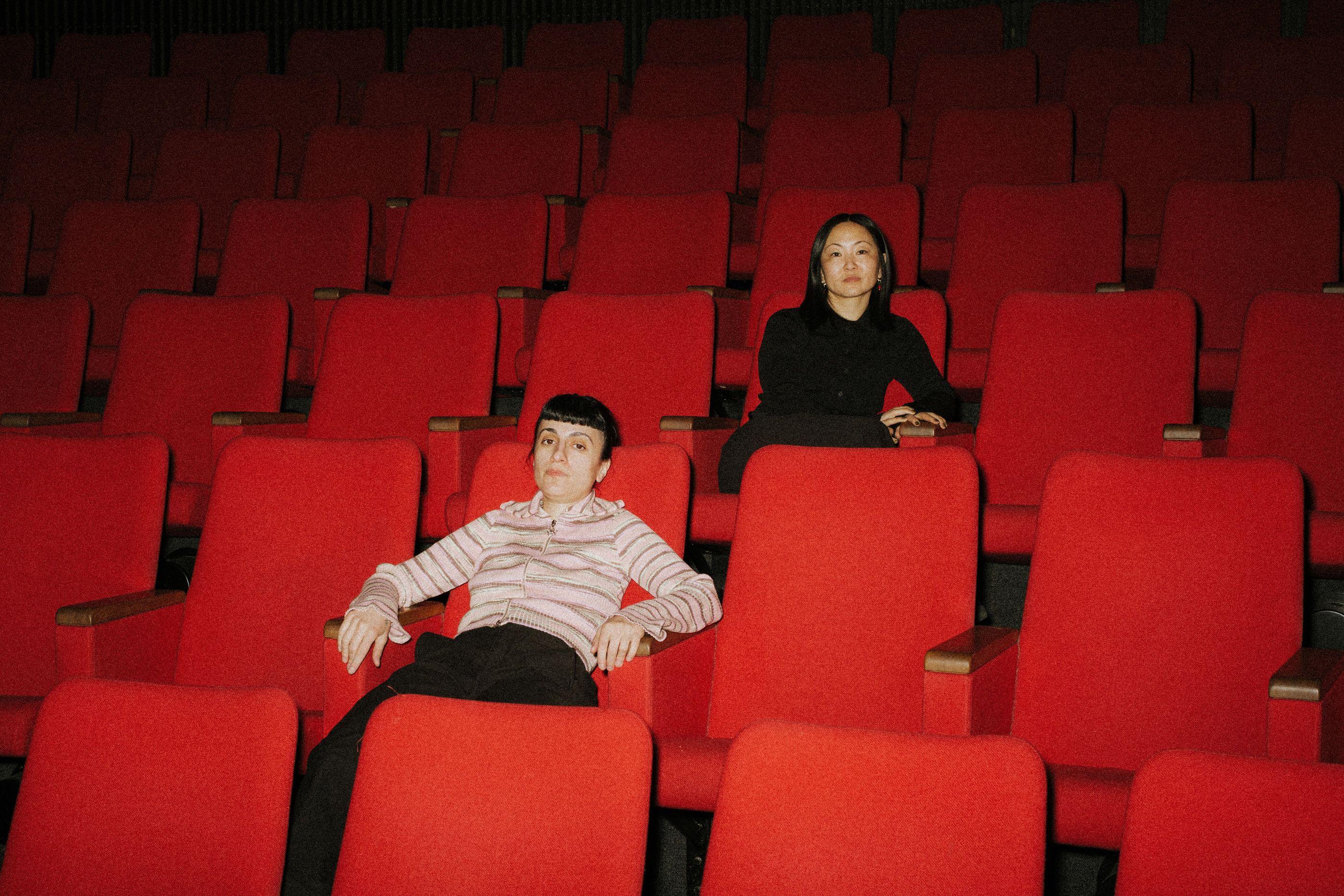
Declaring a desire to tample with “the sacred” in Danish documentary film means entering dangerous ground. However, in their research, Taekyung Tanja In Wol and Ánitá Beikpour demonstrate the redemptive potential of critical reflection.
At The National Film School of Denmark, we offer KUVs – a Danish acronym for our artistic research and development projects – to some of the country’s most prominent filmmakers, so that they can incorporate critical reflection into their own practice.
The idea is ultimately to encourage and push them to make not only better films, but also to create a better film industry.
And for film professionals, the KUV offers an opportunity to conceive of artistic practice as more than just a cog in a vast production machine, where thoughts constantly revolve around the next stage of development on the path to a fully funded film.
And in these endeavours, Taekyung Tanja In Wol and Ánitá Beikpour’s KUV project ‘The Non-Neutral Gaze’ is almost exemplary.
Central to the research project is a critical examination of the historical gaze of Danish documentary film on the people and worlds it explores.
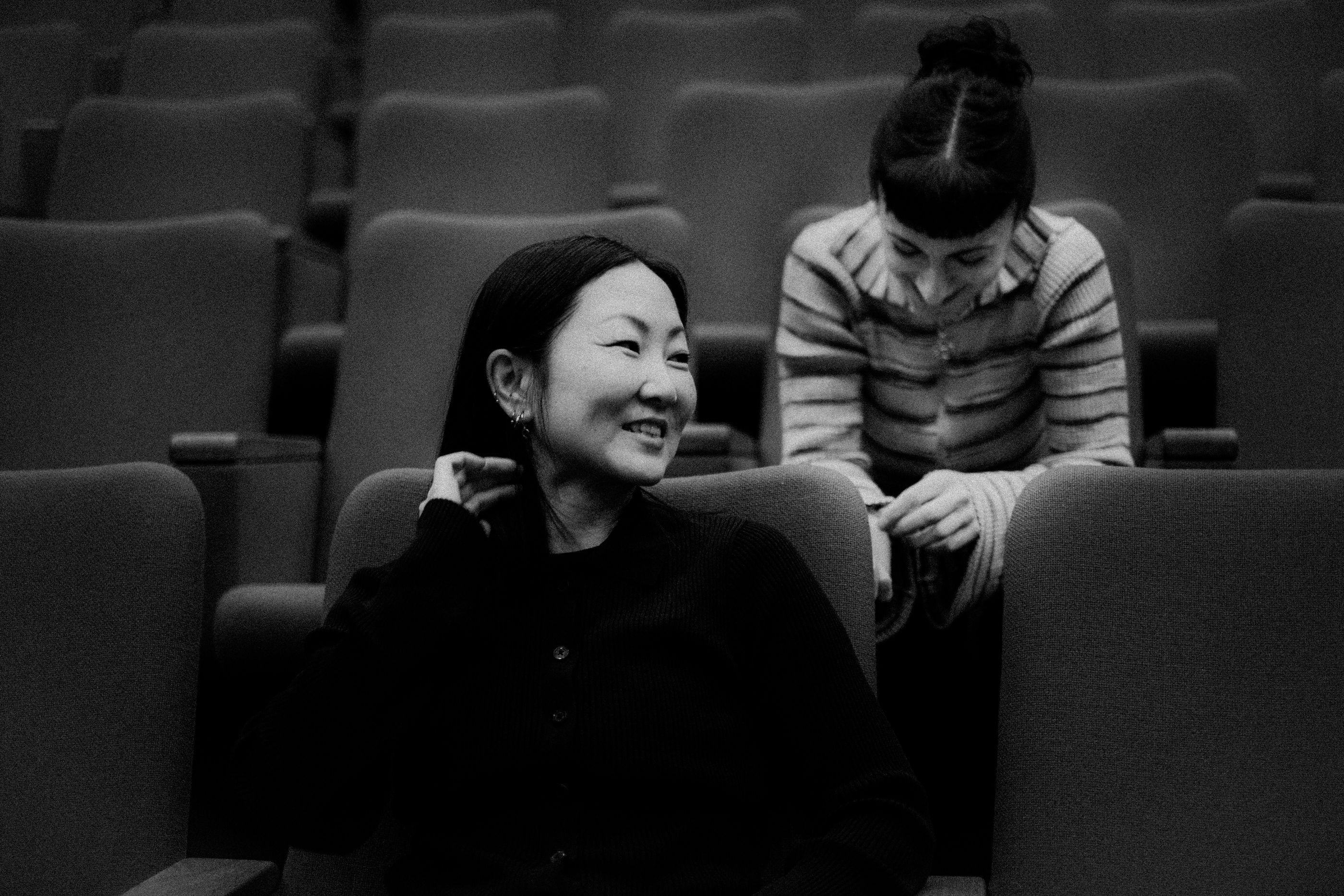
Photo: Malthe Ivarsson
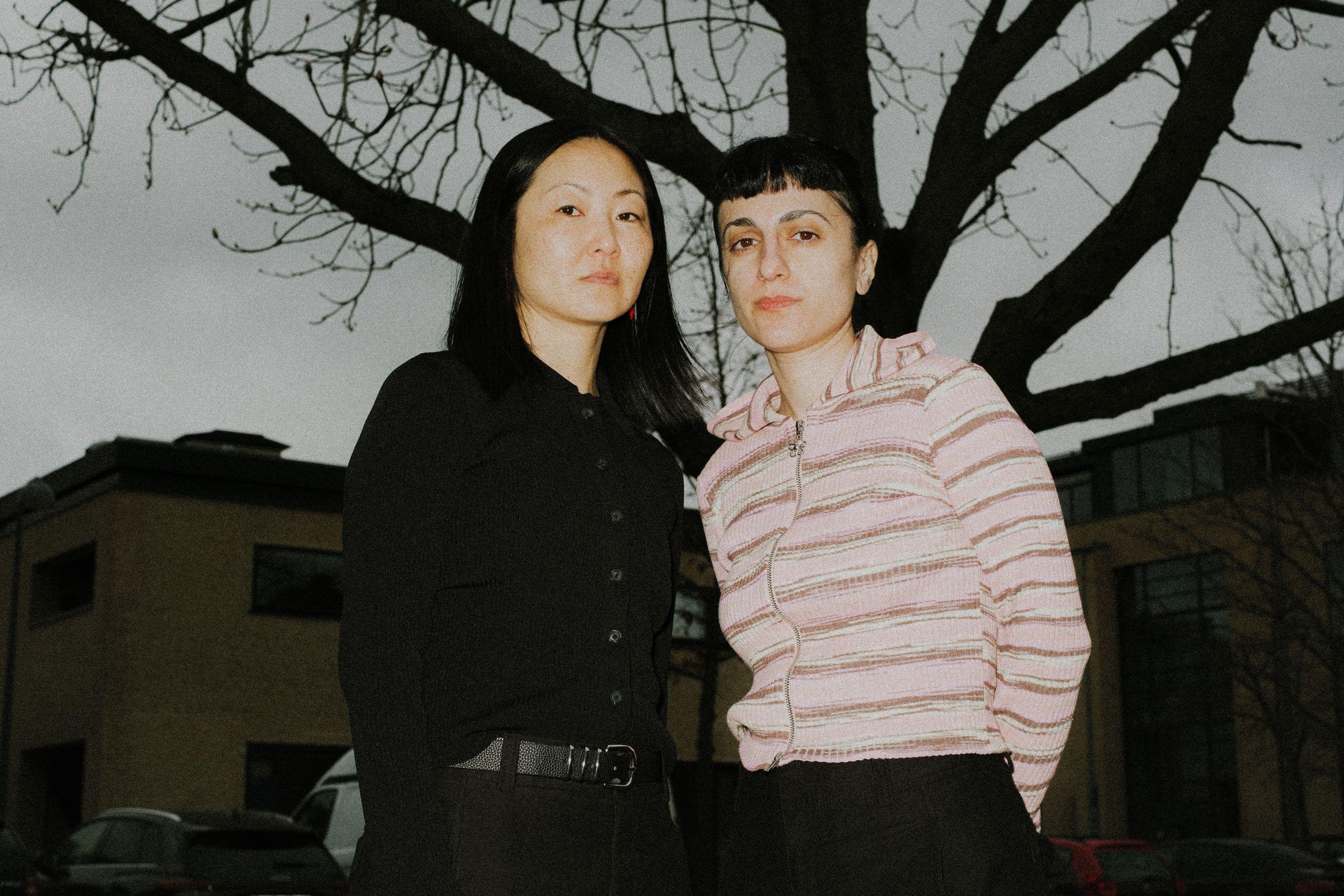
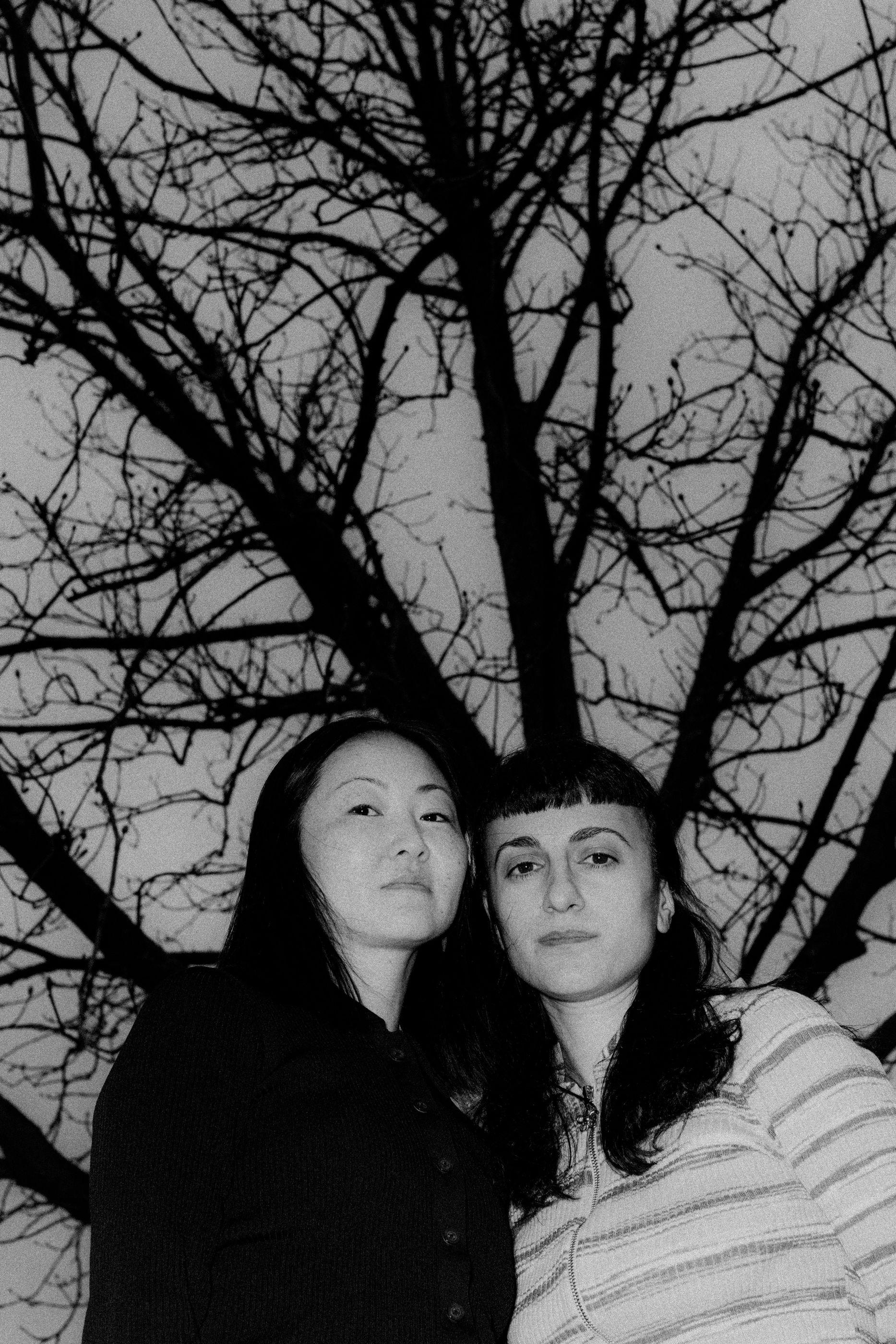
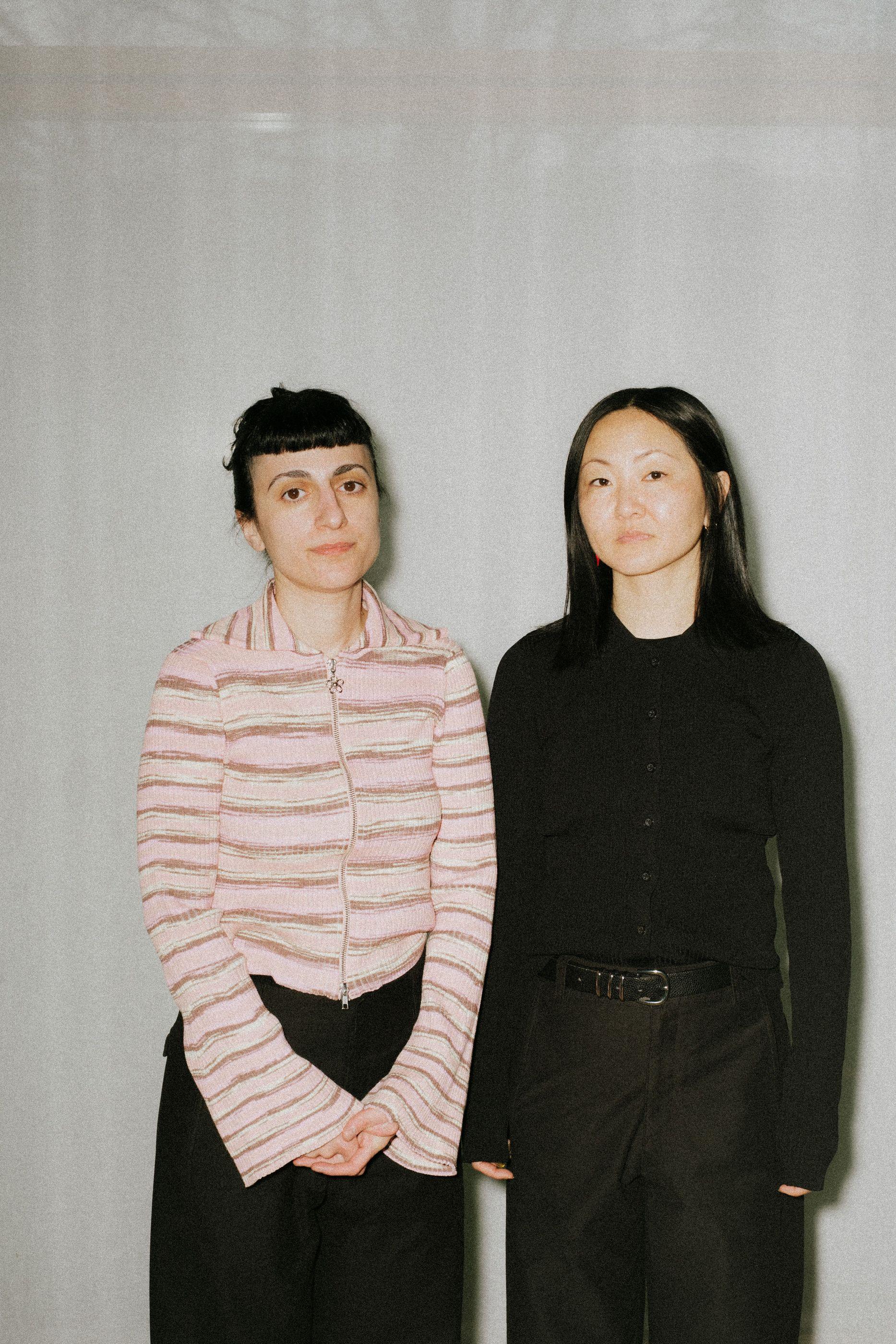
It is an investigation they have launched as part of an effort to ensure that Danish documentary film keeps up with the discussions taking place internationally.
And it, at least in part, emerged from teaching at the National Film School of Denmark and from a desire to make the filmmakers of the future aware of their position and to allow for the space and methods for difficult conversations.
It starts with the conversation
Independently of one another, both Taekyung and Ánitá (the latter herself a graduate of the documentary programme at the National Film School of Denmark) were invited to the premises to teach, and as they know each other privately and have also been involved in political activism, they thought it would be more interesting to do it together.
“The photographer students were the first people we taught,” says Ánitá Beikpour when we meet her and Taekyung Tanja In Wol at the Film School just before the Easter Holiday.
“The focus of our classes had to do with a fundamental question: How do you collaborate with directors on gaze, framing and positioning?”
The two-week module course provided an opportunity to think bigger thoughts about the project, to conduct a large-scale study of how gaze and positioning have historically been portrayed in Danish documentary film, and to initiate a conversation on the subject.
“It was clearly something the students were looking for as well,” adds Taekyung Tanja In Wol. “They were very keen to learn about it, and it was actually implicit in many of the things they did, but they didn’t have a common language for it.”
A fundamental aspect of the project is that we view gaze as something removed from our eyes. It is about positioning. What does our look imply?
Taekyung Tanja In Wol
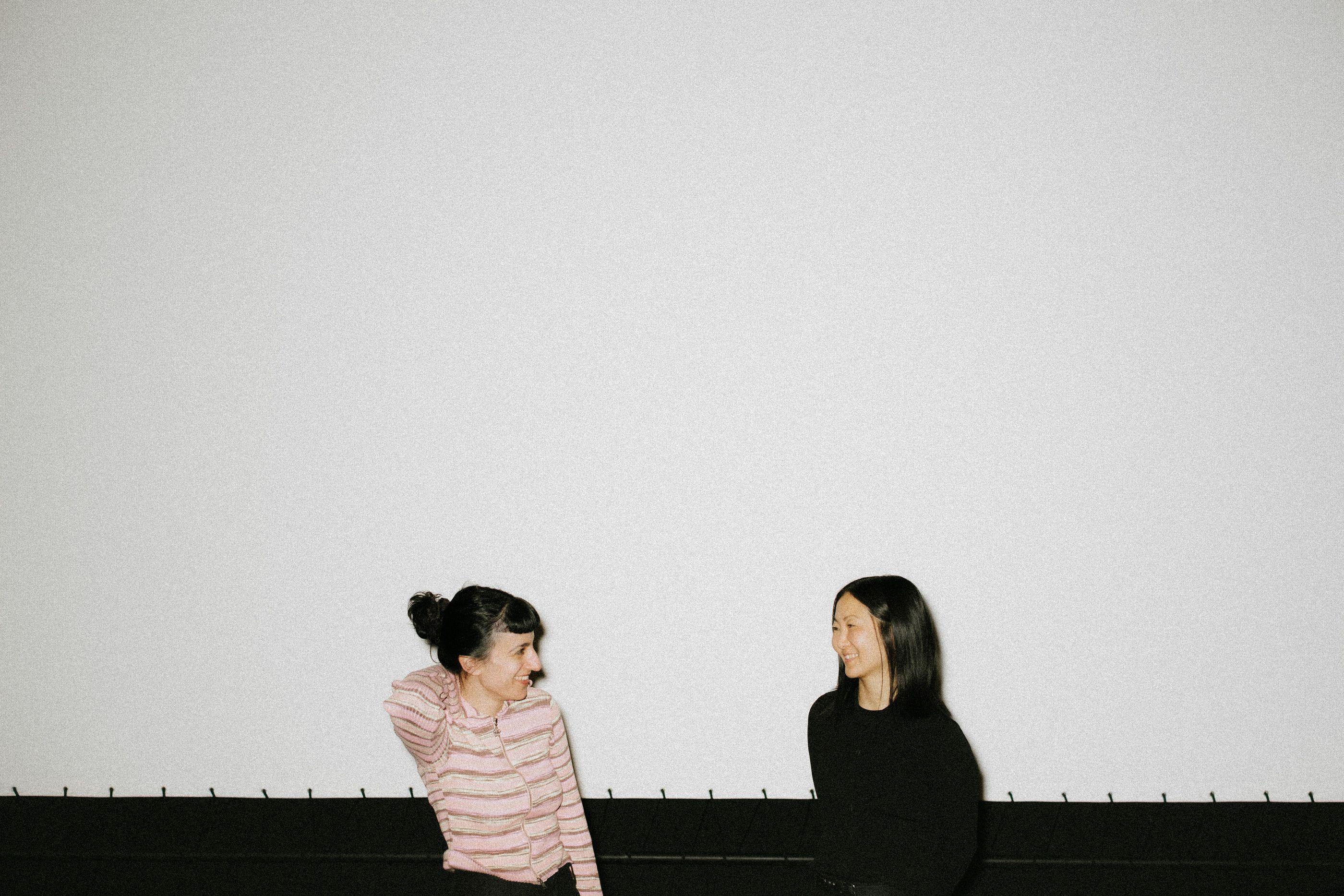
Critical examinations of power relations and of an artistic tradition with a lot of accolades could potentially give rise to heated exchanges of views.
In recent years, the art world has experienced
increased critical attention towards positions of power, and to what one looks at when turning a lens, a pen or a brush towards something – and especially towards someone.
It is, after all, a sensitive area, and many have differing opinions on what it means to talk about gazes and positioning.
But according to Taekyung Tanja in Wol and Ánitá Beikpour, such discussions have often been characterised by an understanding that critical examinations of historical power relations equate to something being either right and something else being wrong. And that there are things one must not talk about, must not do.
But that is not the aim of the KUV, they insist. Instead, it is about creating a space to talk about our works and shared cultural history in new ways, and through that, getting to know one another in a new way.
And ultimately, it starts with establishing a tradition of critical dialogue.
Or as Ánitá Beikpour points out:
“The fact that we talk about our experiences as filmmakers doesn’t necessarily ruin the artform.”
And such a conversation must take the films as its starting point. Taekyung Tanja in Wol says:
“Something fundamental about the project is that we look at the gaze as something removed from the eyes. It’s about positioning. What are we looking through? It’s more holistic. We try to take the films as our starting point, not the people. What is it that we can see in the films, and what sort of films are they? In that sense, the research we are conducting is data-driven and empirical.”
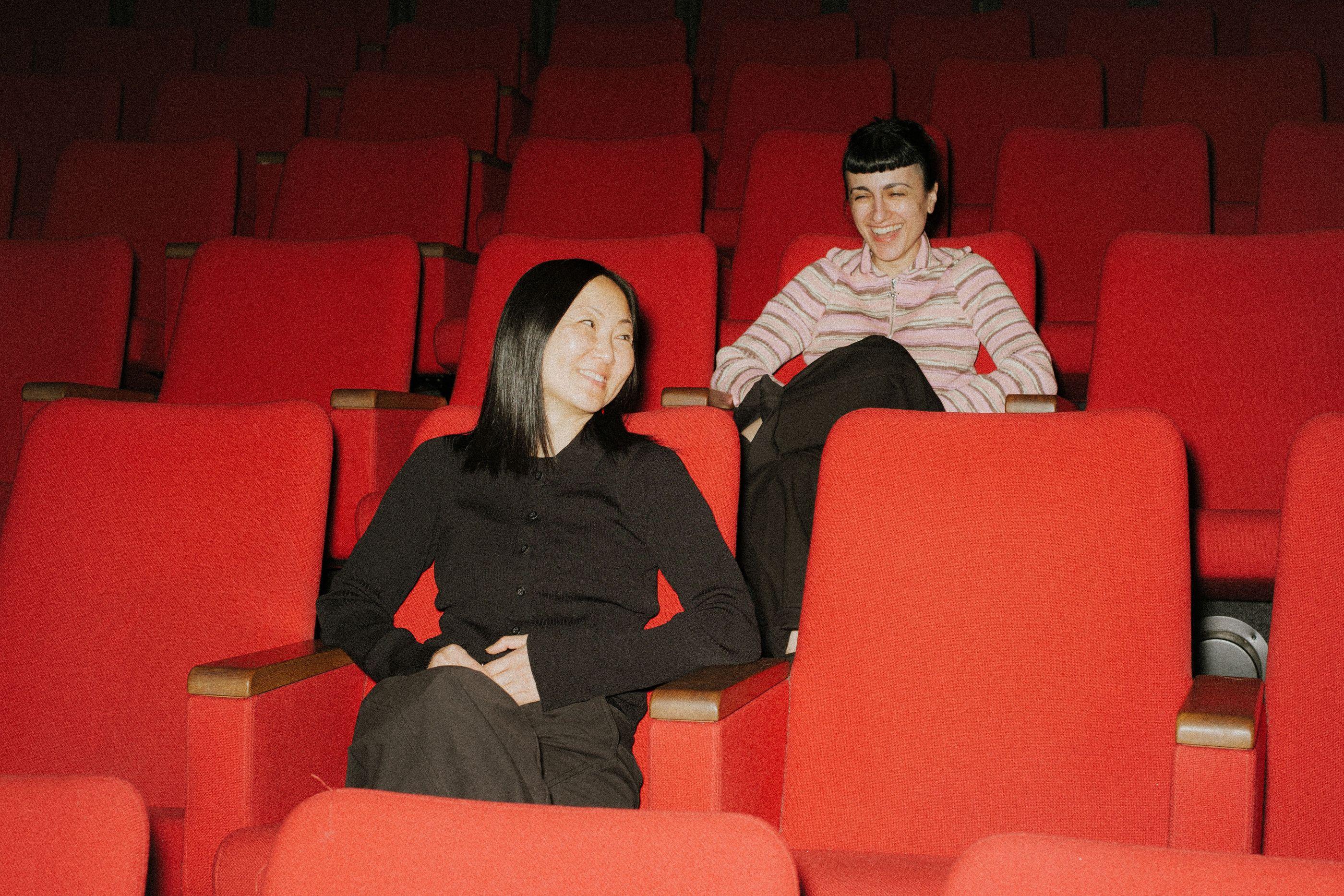
Who has the power to define reality? We have the idea that we are trying to get to something true or authentic when we film, but who defines what that is?
Ánitá Beikpour
Keeping Danish documentary film relevant
Specifically, Taekyung Tanja in Wol and Ánitá Beikpour are working on a survey of Danish documentary film from the late 19th century to the present day.
By categorising movements and trends, they are investigating whether it is possible to make general observations about perspectives and positioning, whether these have changed, and how they have evolved.
And therein lies both a historical examination and something that points to the future.
“There is also a forward-looking aspect, which concerns how we can create a new way of talking about perspective and positioning, so that Danish documentary film can continue to develop,” says Ánitá Beikpour, continuing:
“It’s an international conversation, one that’s taking place all over the world. But in Denmark, it’s not really happening. So if we want to keep up and remain relevant, we simply have to talk about these things.”
Taekyung Tanja in Wol agrees:
“There is a rich and diverse conversation about these topics. When you submit films to almost any festival, you have to consider who you are, what collaborations you’ve been involved in, and so on. Festivals such as IDFA, for example, have taken this stance to start a conversation about who has the power to tell a specific story.”
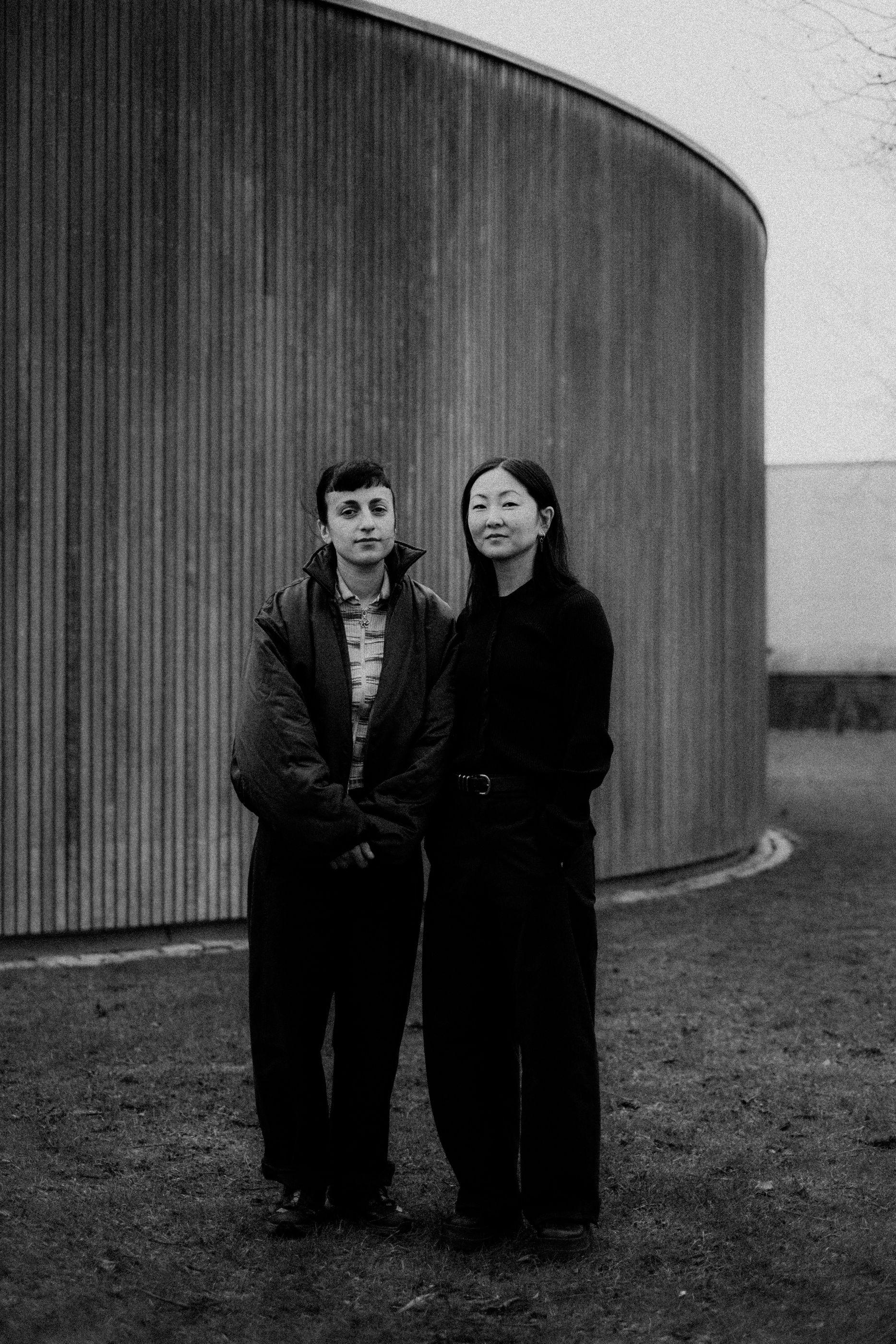
Documentary and the veil of authenticity
But the documentary film is, after all, impartial in its basic form, and much of its purpose is to seek out the truthful, the real and the unscripted. Isn’t it?
No, it is a mirage, according to the two documentary directors. Staging is very much present in the documentary form. Moreover, reality and the real are never neutral.
“Who has the power to define reality? We have this idea that we’re trying to get to something true or authentic when we film, but who defines what that is?” Ánitá Beikpour asks
At the National Film School of Denmark, we have also, through the documentary programme, established a rich tradition of incorporating personal cinematic language into documentary film. And Danish documentary film has also enjoyed great success around the world. But this has also had some unintended consequences.
“Denmark has, of course, built up a rich history of film productions that have largely revolved around us going out to make films about others, and then bringing that back home to produce here. So we’re creating a film industry where some people get funding to make films about others, which then feeds back into an industry where the entire post-production process takes place here. And then you can say that it’s a Danish-produced film.”
But, Taekyung Tanja in Wol objects, it doesn’t work the other way round. The people the Danish industry has profited from don’t come here, so it hasn’t fed back into the Romanian film industry, for example. So we’re not an industry that’s used to people coming to look at us.
“So we have this idea that we’re used to having a neutral perspective, which makes it more about form and approach, but not about the position from which a particular person is looking. Just because it’s dominant doesn’t mean it’s neutral. But it’s important to say that we’re not interested in saying whether something is wrong or bad; it’s about investigating which perspectives and positions aren’t considered neutral.”
Ánitá Beikpour adds:
“We don’t intend to single out specific films, but we’re simply examining what stands out. Or whether it’s done in the same way, whether there are formal aspects that change. Ultimately, we’re exploring whether we can make the new filmmakers more aware and thus stronger as filmmakers. We want to make all of this a little bit easier to engage in.”
Read more about the research project "The Non-Neutral Gaze – A Study of Gaze and Positioning in Danish Documentary Film" here.
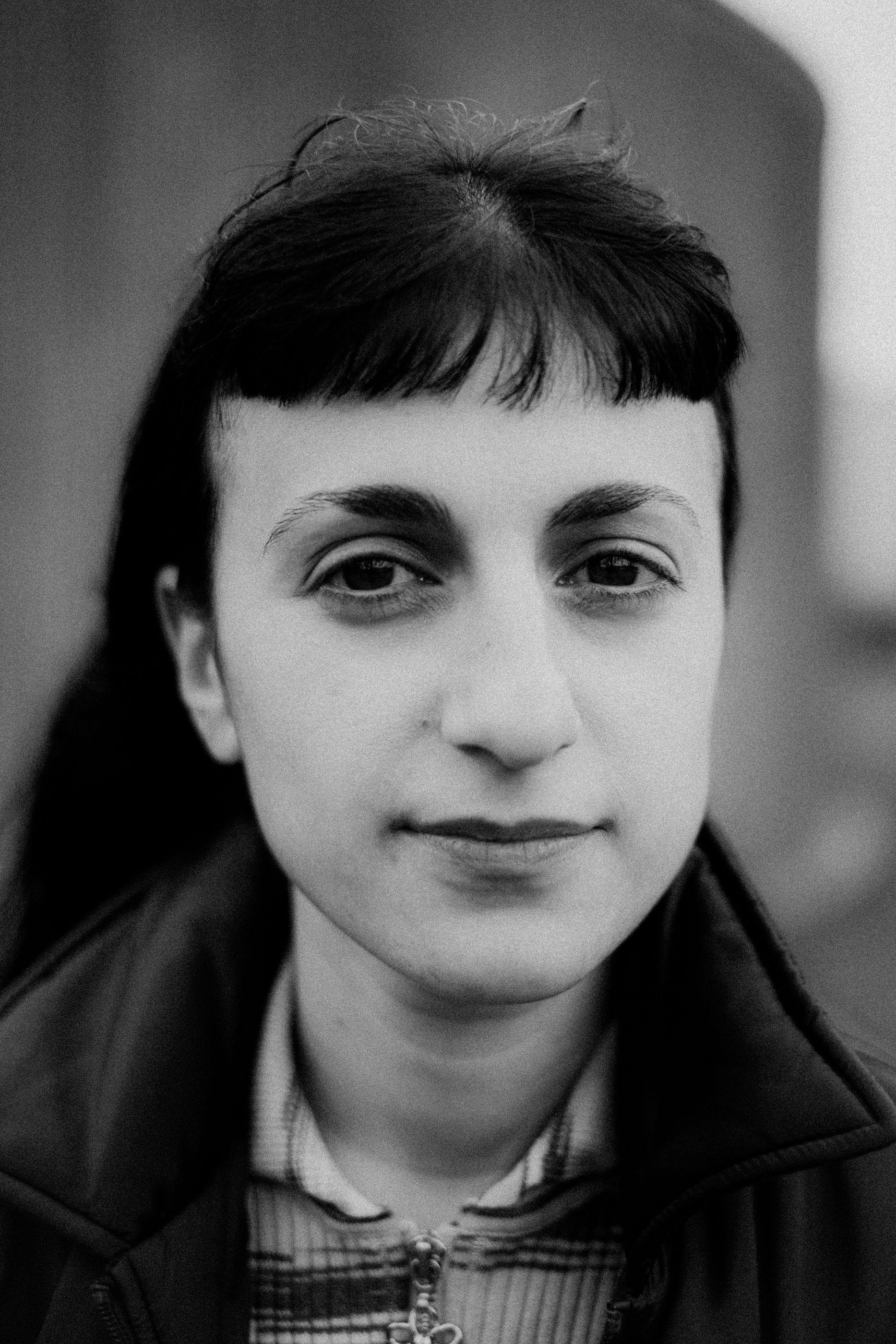
Ánitá Beikpour:
Ánitá Beikpour graduated as a documentary filmmaker from the National Film School of Denmark in 2017. She works across fiction, documentary and video art, and made her debut at CPH:DOX with the documentary ‘Prelle – Listening to Myself’ in 2020. Ánitá often explores personal and political themes in her films, such as personal freedom, rebellion and homesickness. She has worked in various art collectives, such as FCNN (Feminist Collective With No Name), which has exhibited at the Berlin Biennale, amongst other venues, and she is a co-founder (alongside Taekyung Tanja In Wol, amongst others) of The Union – a cultural workers’ union aiming to foster a critical anti-racist discourse within the arts and culture sector in Denmark. In addition, Ánitá has been teaching as a guest lecturer at the film school for the past few years.
Taekyung Tanja In Wol:
Taekyung Tanja In Wol Sørensen is a director and visual anthropologist. For her documentary ‘A Colombian Family’ (’80), she received an honourable mention in the Emerging International Filmmaker category at HOTDOCS 2020. Taekyung’s latest work is the documentary ‘SLÆGT/Homesick’, for which she received an honourable mention at CPH:DOX 2026. In her film work, she explores how power structures such as war, national identities and the neo-colonial era are experienced and expressed through individuals and communities, particularly within the family. Taekyung Tanja In Wol is, together with Ánitá, a co-founder of The Union, and has many years of research and teaching experience at institutions including the University of Copenhagen and the National Film School of Denmark.